RHS Wisley Exotic Garden – January

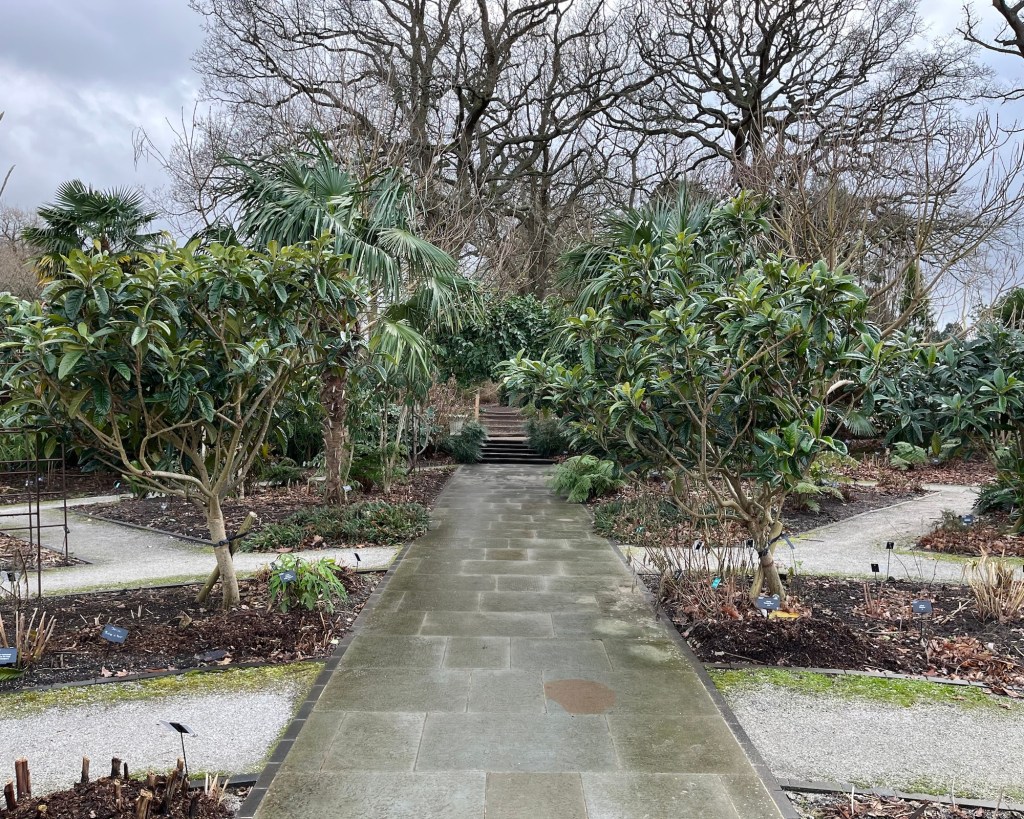
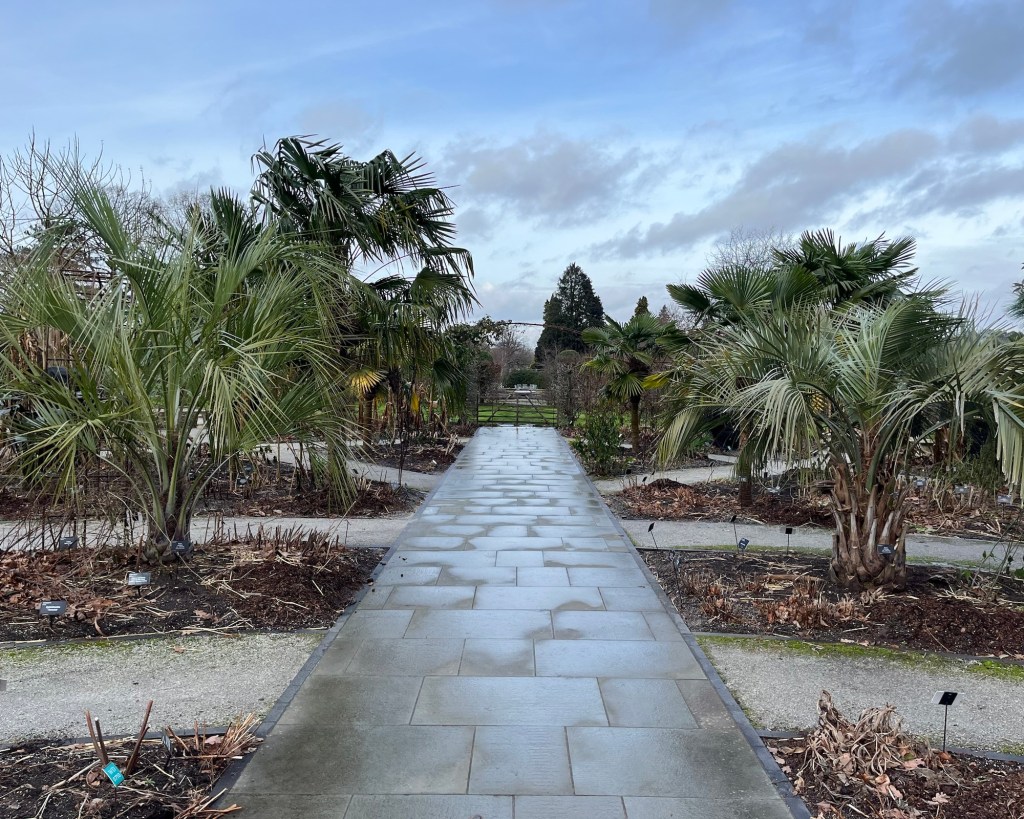
The Exotic Garden at RHS Wisley seen here looking up the central path and down the central path in late January.

The tender elements such as the Ensete bananas, the Alocasias and the Sonchus fruticosus amongst others are moved out of the garden and stored in the nursery area under heated (10C) glasshouse conditions. The Hedychiums, Dahlias and other herbaceous plants seem to be left in the ground and mulched heavily for protection. The tree and shrub elements, the palms, Montezuma Pines (Pinus montezumae), Eriobotryas, Magnolias, Mahonias Scheffleras and Fatsias etc are all what you might call hardy exotics that are more or less comfortable with the conditions in the garden at this time of year. It appears that only some of the Musa basjoo, the Hardy Banana, have been wrapped in situ, perhaps suggesting the gardeners are happy to entertain the risk of frost cutting down larger members of the groups in a kind of regeneration exercise, but equally it might just be impractical to wrap all the individuals in the manner required, with layers of straw and landscape fabric supported with bamboo canes. Still, it’s good to see the garden in this state and to appreciate how much it fills out (see later post!) and to experience the atmosphere of what feels like a garden resting and waiting.
Clematis montana/Mountain Clematis

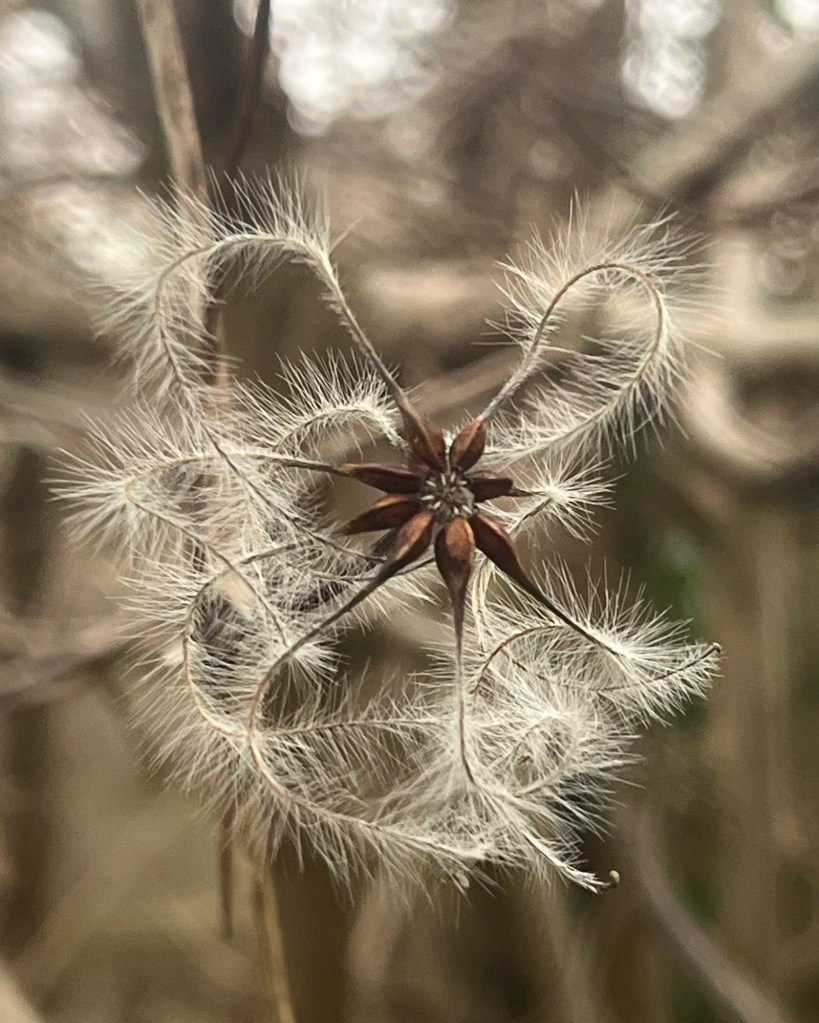
Native to the mountain ranges of Afganistan east to Taiwan Clematis montana seems equally at home in British gardens mountain or no mountain. Generally it’s appreciated for its flowers in springtime and otherwise overlooked, however if you have resisted cutting it back after flowering you might be lucky enough to appreciate the seed heads (aka the achene). Not dissimilar to your ‘dandelion clock’ each seed has a wind catching tail to float it off to somewhere else on the mountain (or to someone else’s garden). Seen here in January.

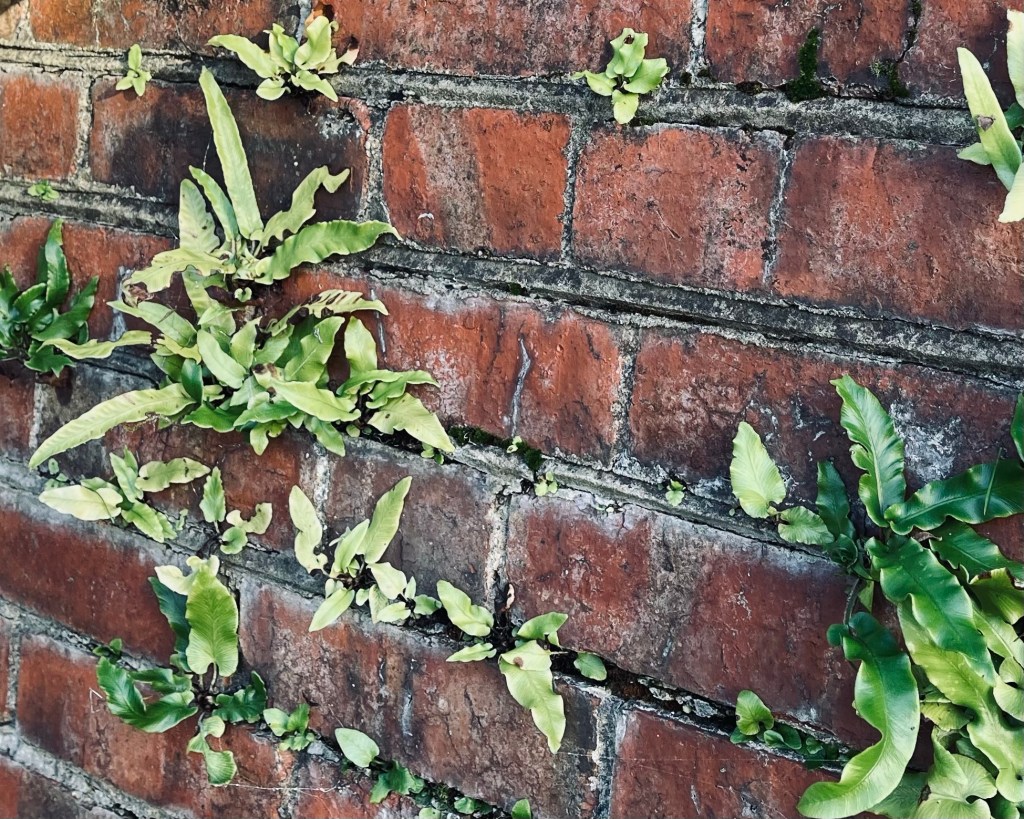
Asplenium scolopendrium/Hart’s tongue fern

It would be surprising if any garden authority recommended establishing a colony of Hart’s tongue fern in the mortar lines of a vertical red brick wall. It’s worth taking note of where plants place themselves especially if it seems to defy logic or understanding. There’s a lesson to be learnt in such occurrences and greater understanding follows.

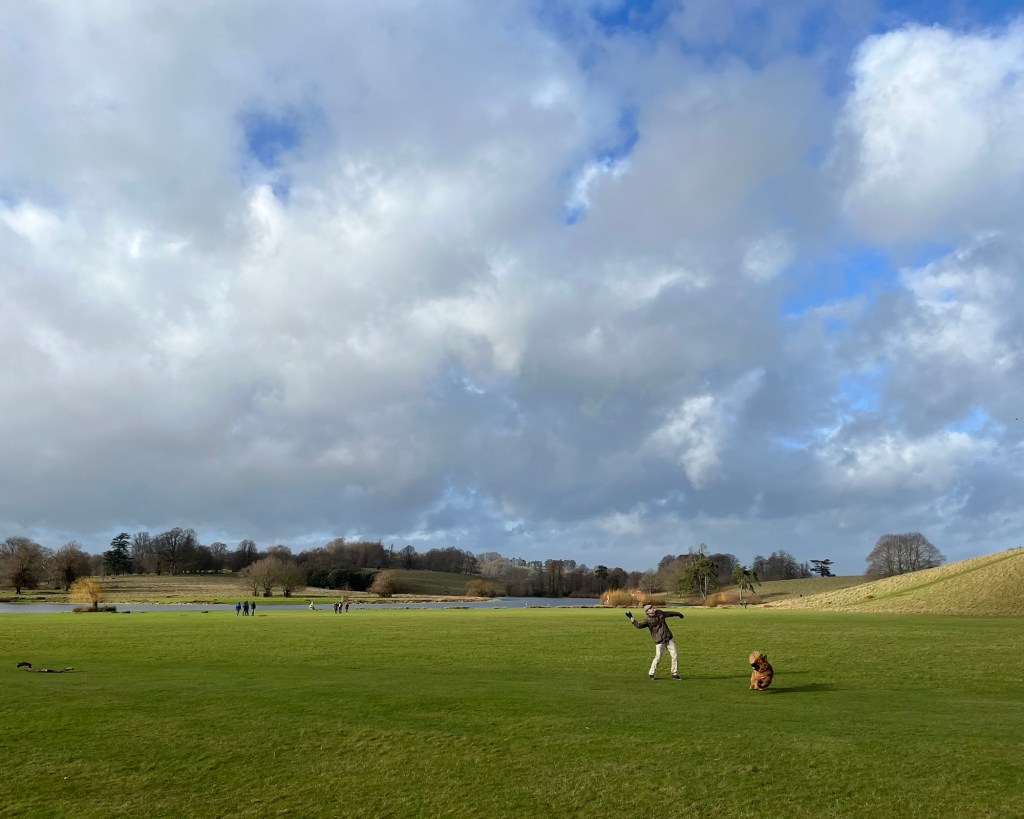
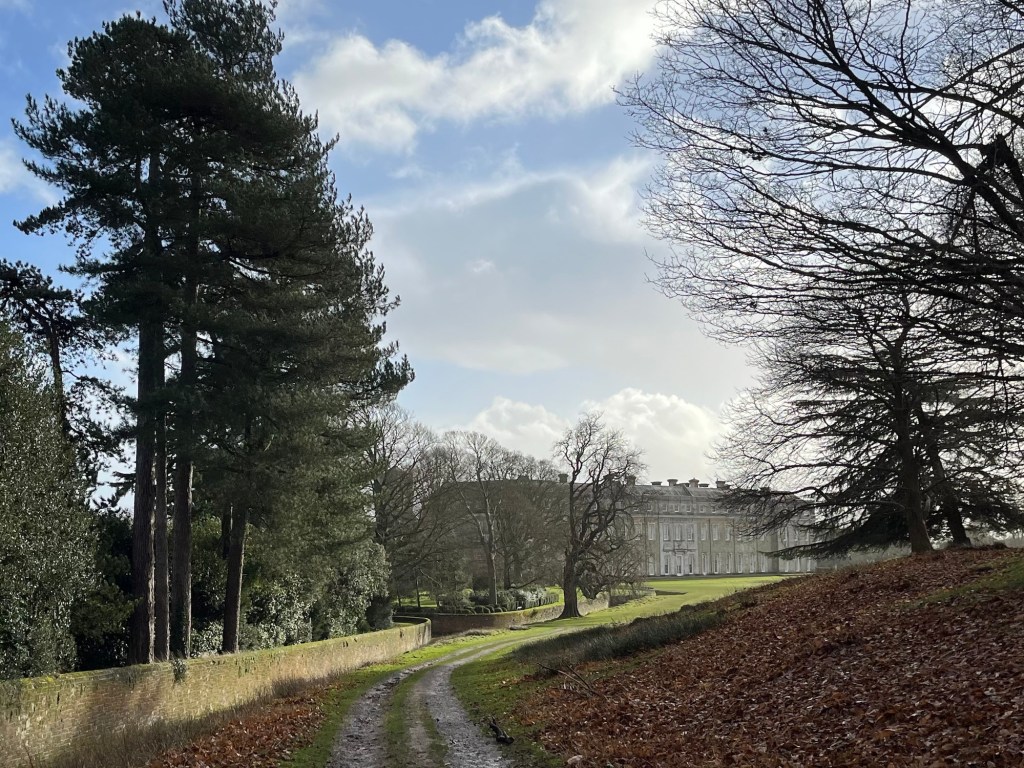
Capability Brown/Petworth Park

Brown’s work fell from favour soon after his death (1783), dismissed as dull and insipid as the new fashion for the Picturesque embraced rocky crags, blasted trees and rushing torrents. He was largely ignored by the plant-hungry Victorians, and really only rehabilitated in the 1950s. Today, his preoccupations seem remarkably like our own – sustainable water use, planting trees for future generations, finding less labour-intensive ways of gardening. Brown had made a virtue of simplicity, but in the eyes of his critics this was a failure. His designs were considered insufficiently painterly (although J. M. W. Turner painted eagerly at Petworth), with too little evidence of the hand of man. Today, perhaps, we have a better appreciation of the art that conceals art, and the subriety required in its making.

Text from The Story of the English Garden – Ambra Edwards/HarperCollins

Photos – top, view from the house across the parkland and lake. Bottom, view along the Ha-ha (wall and ditch) toward the house. Petworth 31/12/23

Tom Stuart-Smith/Keepers House Garden

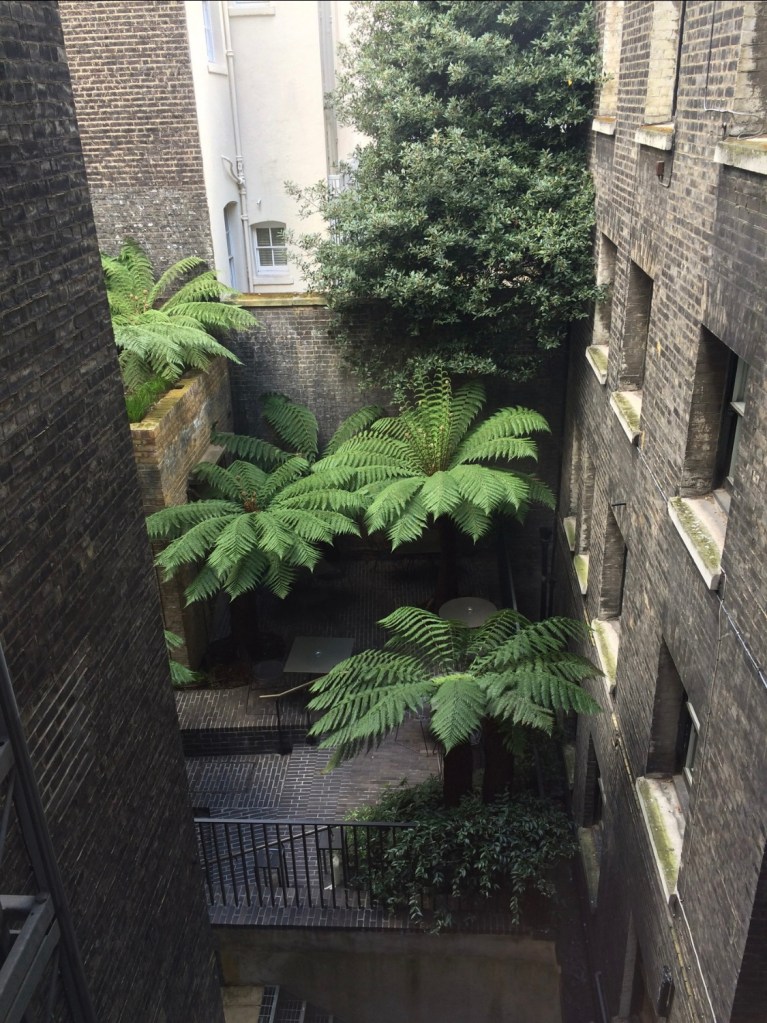
The Royal Academy of Arts. Built during the summer of 2013 to mark the redevelopment of the Keeper’s House. This tiny garden creates an outside social space for the restaurant, bar and lounge. It seems almost like a canyon excavated out of the brick and receives no direct sunlight. Nevertheless, it is an unexpected entrancing space, populated by outlandish tree ferns and grasses. It also creates a setting for a succession of sculptures.

Text and image from the website:

https://www.tomstuartsmith.co.uk/projects/keepers-house-garden

Equisetum arvense/Horsetail

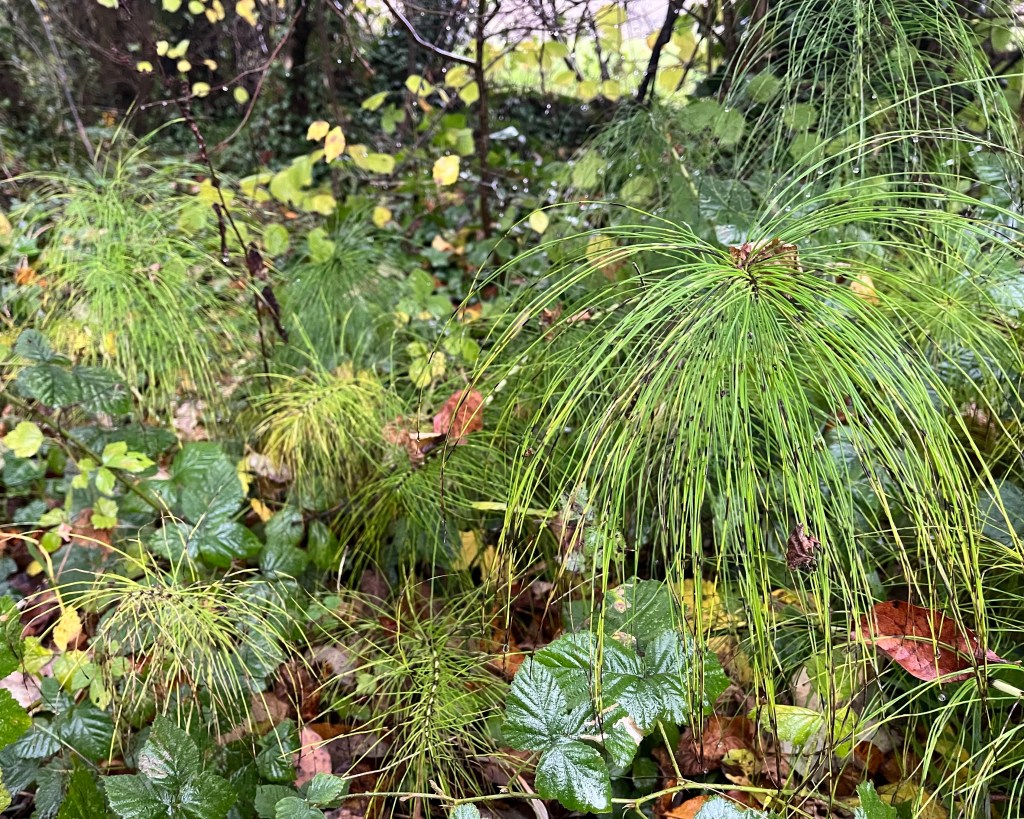
Equisetum arvense is in a fascinating and ancient family of plants (Equisetaceae), but not one used in ornamental cultivation because of its invasive tendencies. Horsetail, closely related to ferns, does not make flowers, fruit or seeds but reproduces by way of spores released by non photosynthesising stems early in the season. Its deep rooting rhizomatous habit is the source of its bad reputation coupled with its resilience when inevitably met with chemical control. Here seen where farm land meets woodland in early December.

Euphorbia characias subsp. wulfenii/Mediterranean Spurge

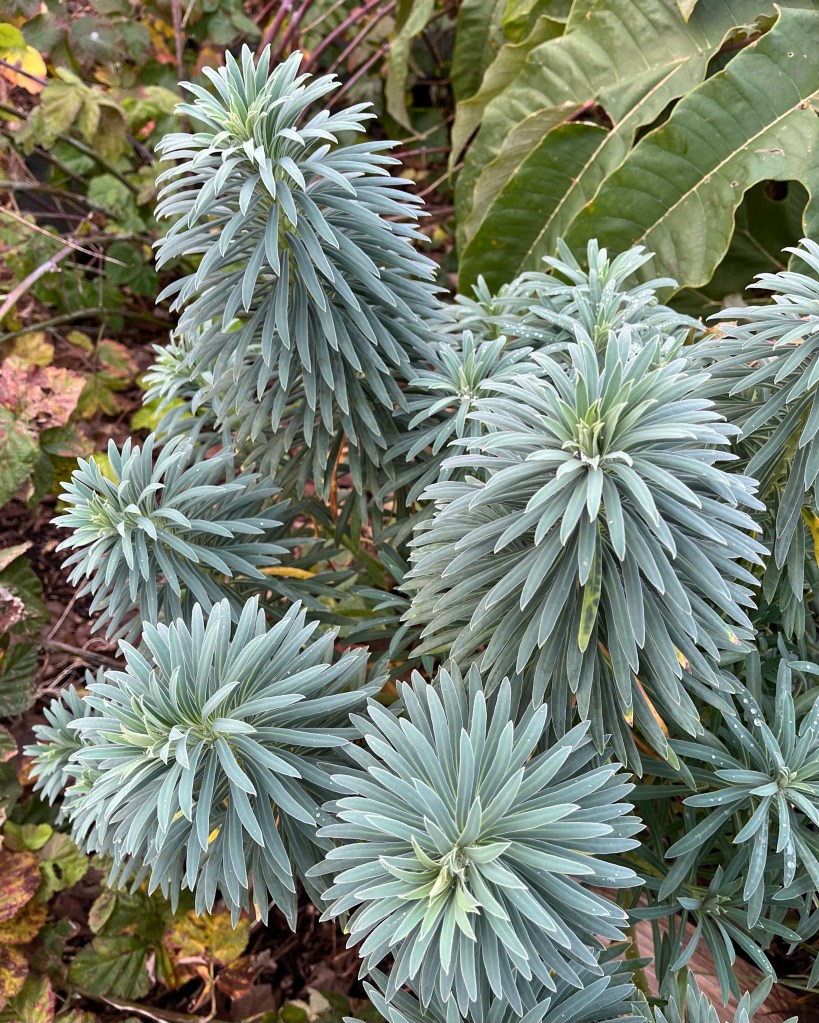
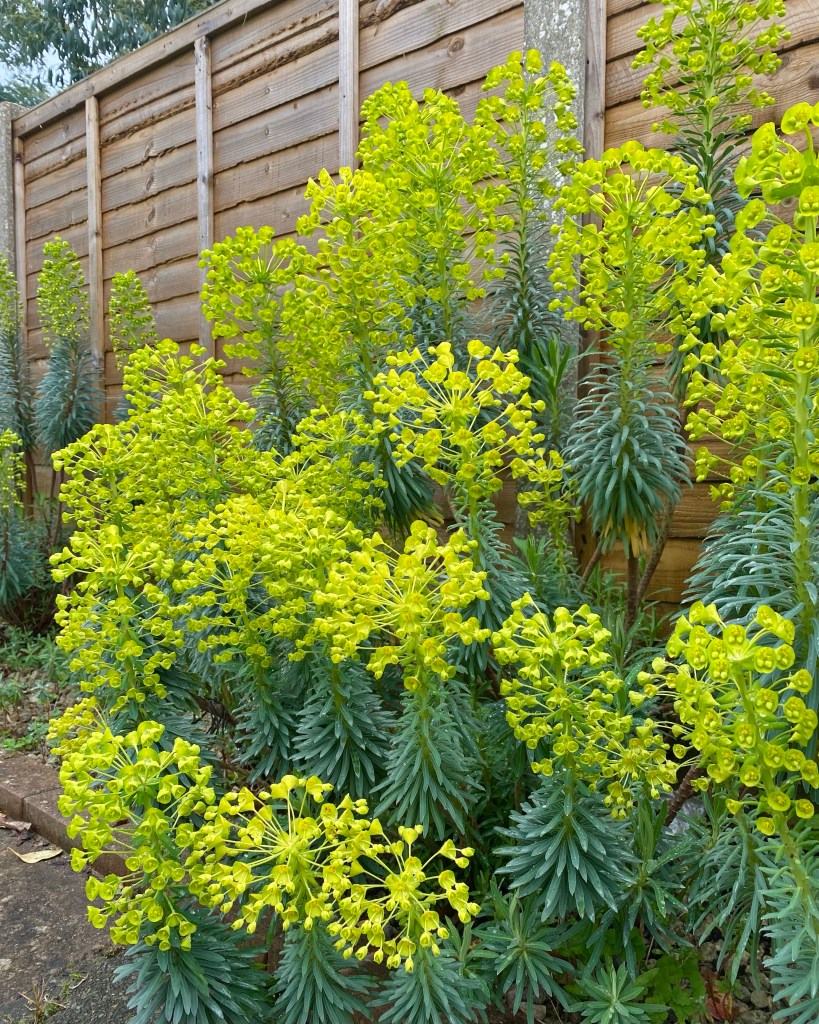
Is Euphorbia characias subsp. wulfenii under appreciated on account of its ubiquity and its habit of being quiet during the summer? It instead chooses to display when few are looking, with first rate foliage in late November prior to the beginning of winter when the days are short and most folks are inside and then in late March with acid green flowers when the daffodils are stealing the show. You would think that choosing to look good at a time when many others don’t is a good popularity strategy that’s bound to work on gardeners intent on prolonging the season but in reality this can make the plant hard to use in a mixed or herbaceous border context, many times finding itself without a contrasting complimentary partner and surrounded by plants that have peaked long ago. Below two photographs from late November (leaf) and late March (flower) separate locations but same species.