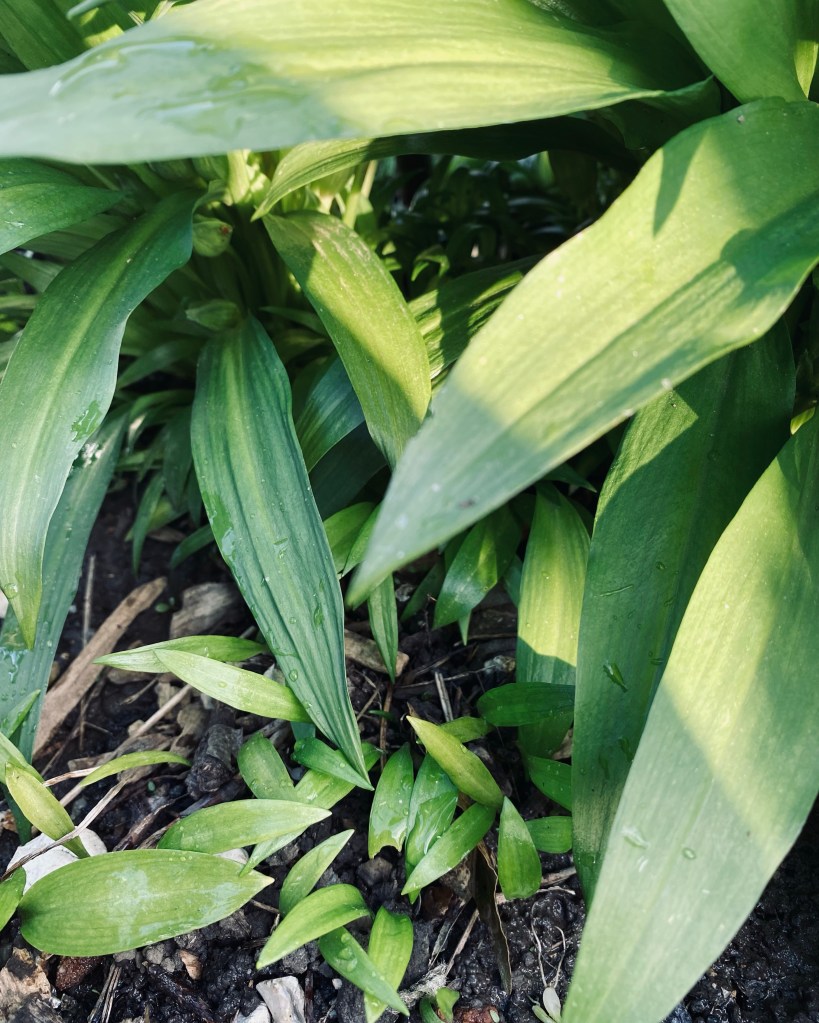
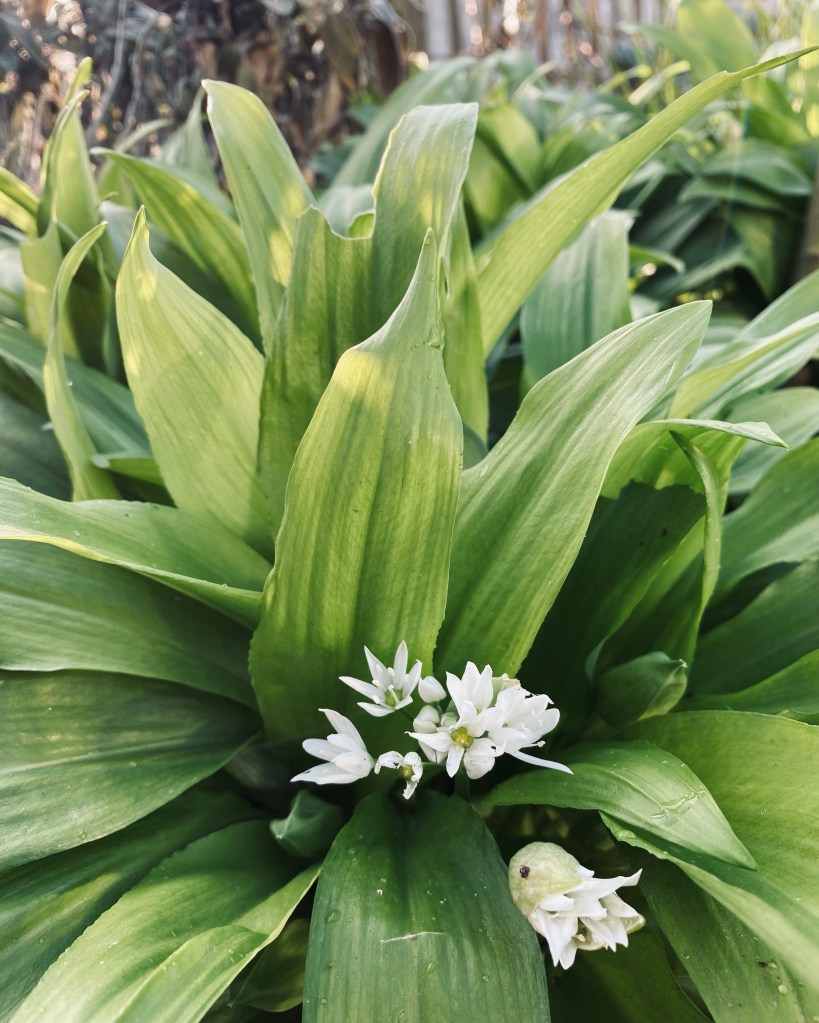
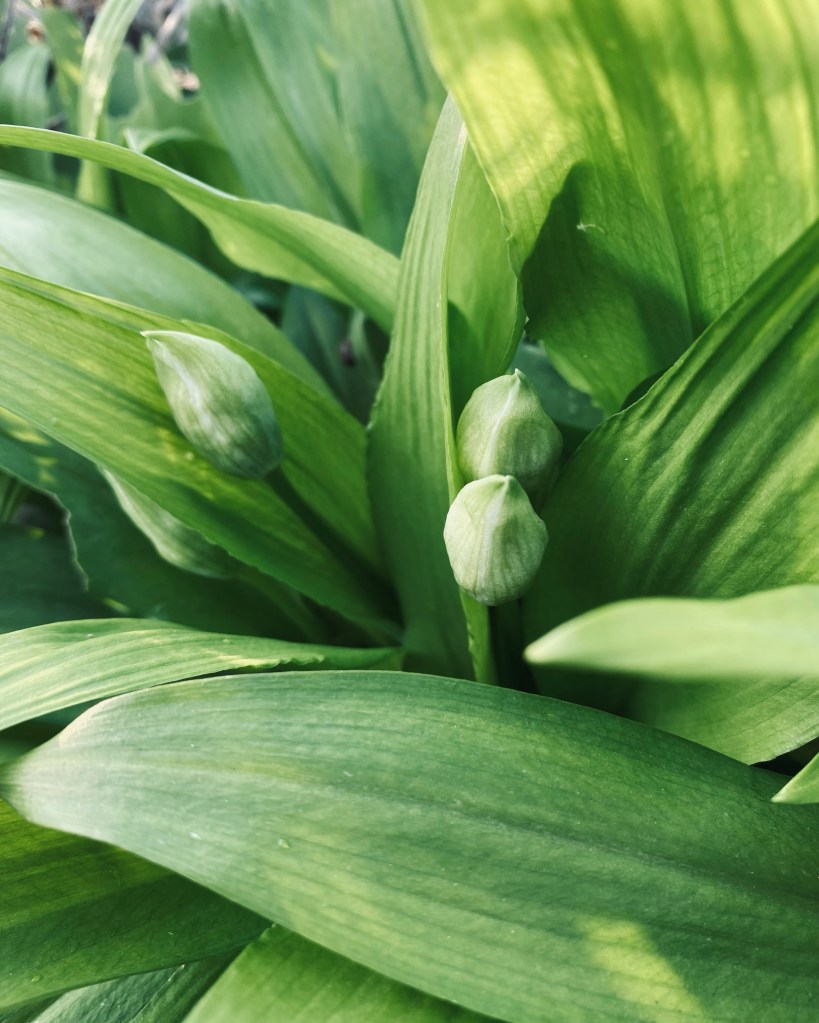
Wild Garlic/Allium ursinum

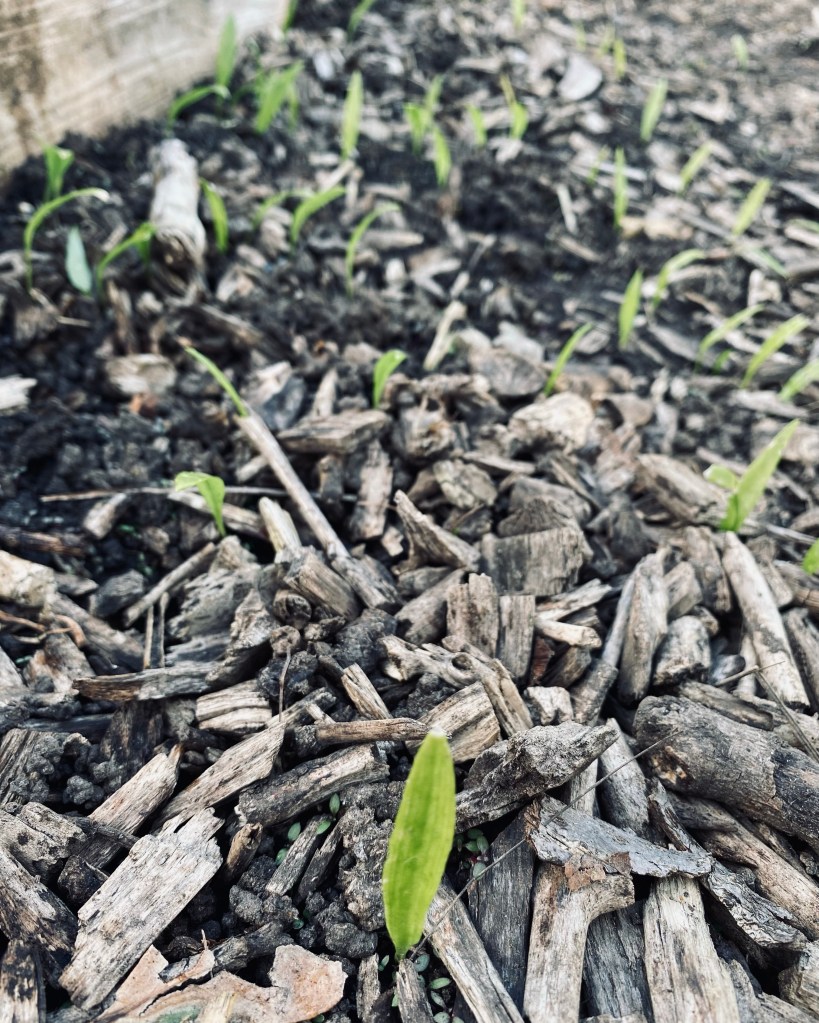
Popular native forage, but easy to establish in the garden setting if given semi shade and left alone. Seeds germinate late winter so no mulching or hoeing. Don’t eat the flowers (or else no seed) until the colony is big enough at which point all of the plant is edible and nutritious.

Below a one year old allotment colony established from 8 bulbs planted in the green. Seedlings germinating in the wood chip pathway. Happy days.
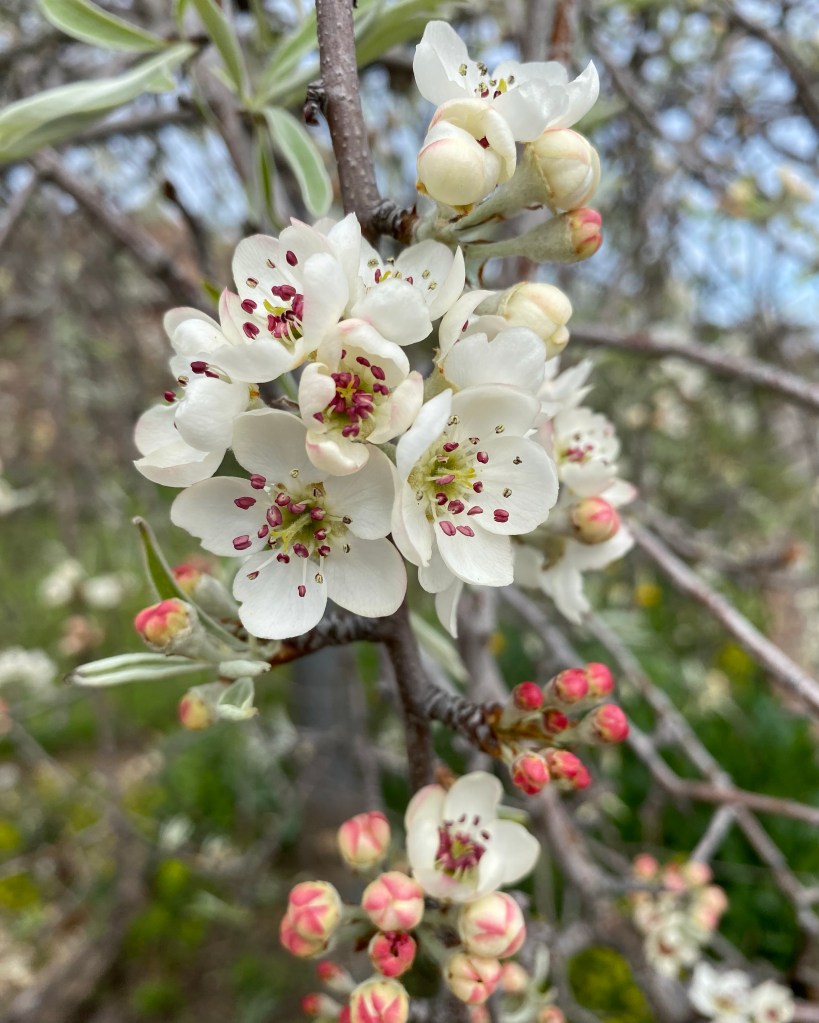
Willow leaved Pear/Pyrus salicifolia

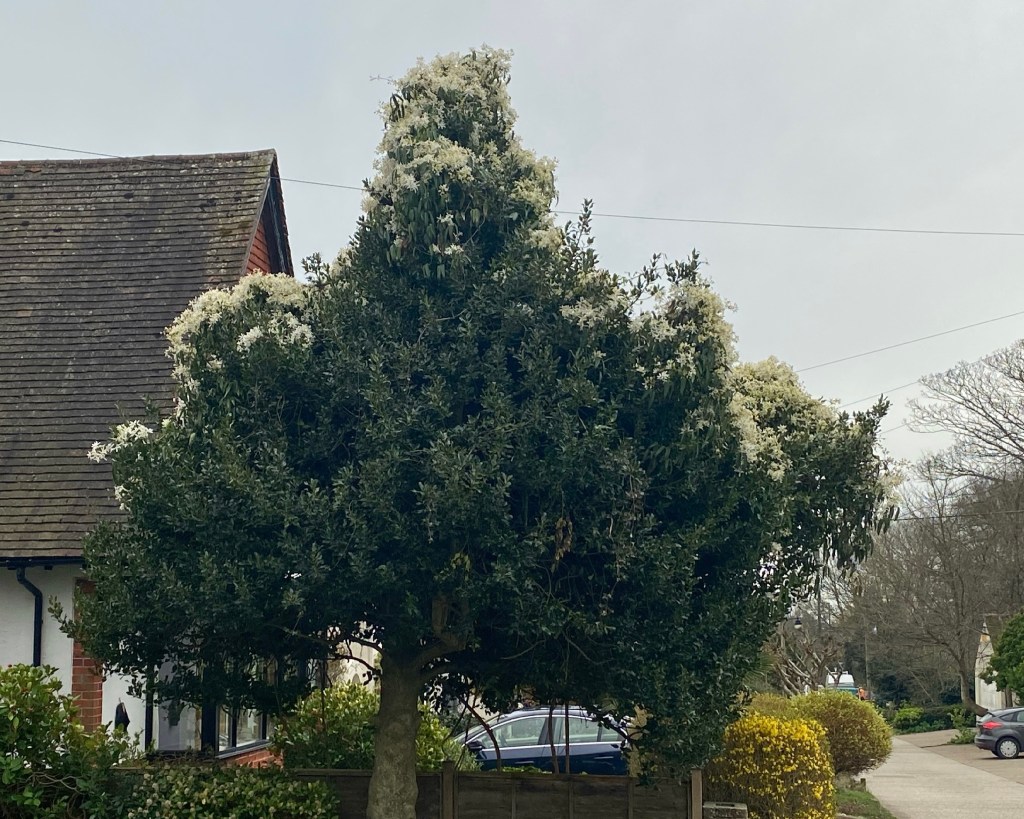
A good example of spring blossom, coming just before the crab apples and in time with some of the cherries and crossing over with the end of the magnolias. Can be a scrappy looking twiggy tree because of it’s pendulous habit and angular growth, some attempt to counter this through clipping, but best left to it’s own devices I think, if you have space that is. Grey green willowesque foliage follows.

3 Plants for now: 2nd week of April

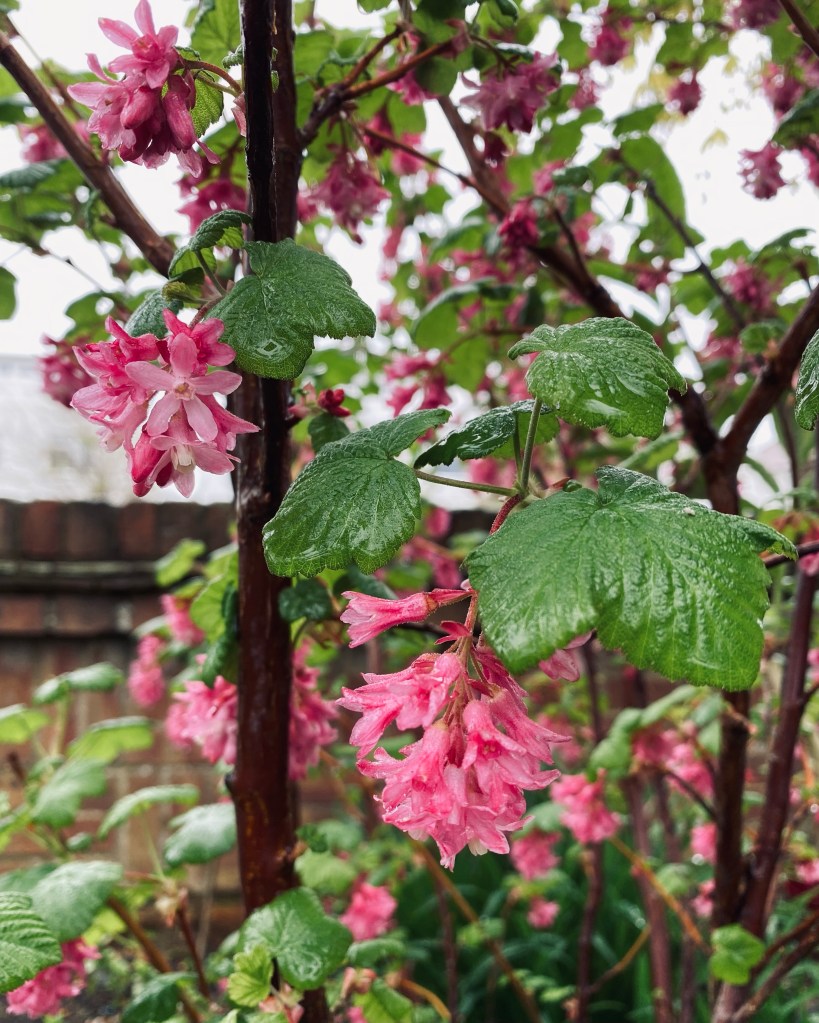
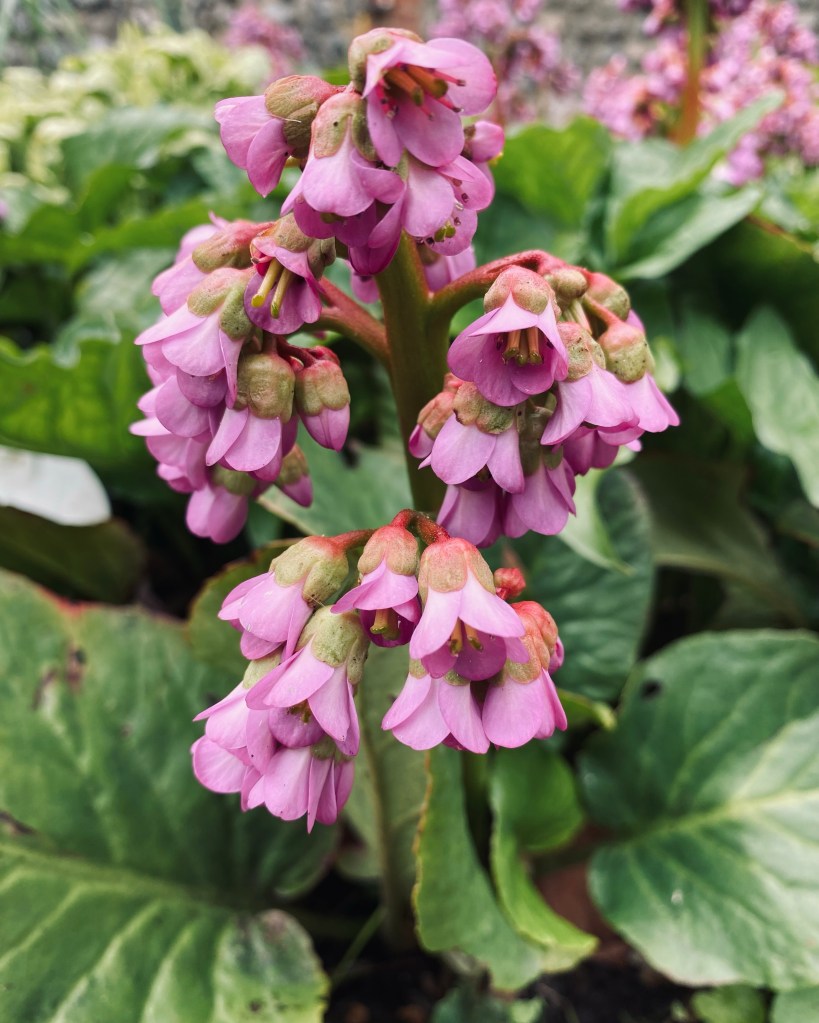
The scented leaves of Ribes sanguineum are for me it’s strongest attribute and I look forward to the new leaves at the start of spring, but the pink flowers that follow give a good show and up the value. After this early spring effort it becomes just another shrub in the garden, but at this time of year it’s much admired, by me at least. Forget me not, Myosotis sylvatica, always reliably present. Good looking en masse and up close with diminutive delicate flowers. Lastly Bergenia, most often given the job of ground cover, of which it makes a good effort. Foliage over flowers is my preference although it can become scruffy, but it remains popular and useful.

Long flowering plants: Coronilla valentina

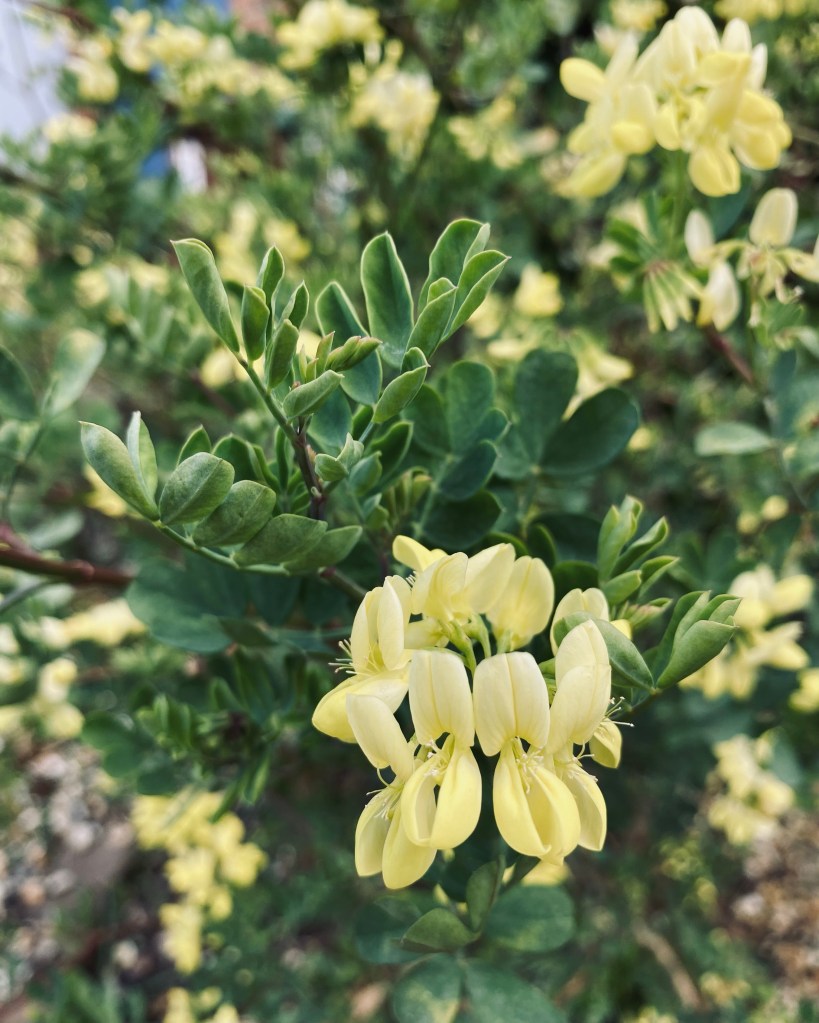
Daytime scented and long flowering, from late winter into spring and again in summer, Coronilla valentina has a laid back personality and rarely gets involved in any drama. A confident shrubby plant happy to do its thing under a variety of conditions. Pea family, which seems obvious when you consider the leaves and flowers.