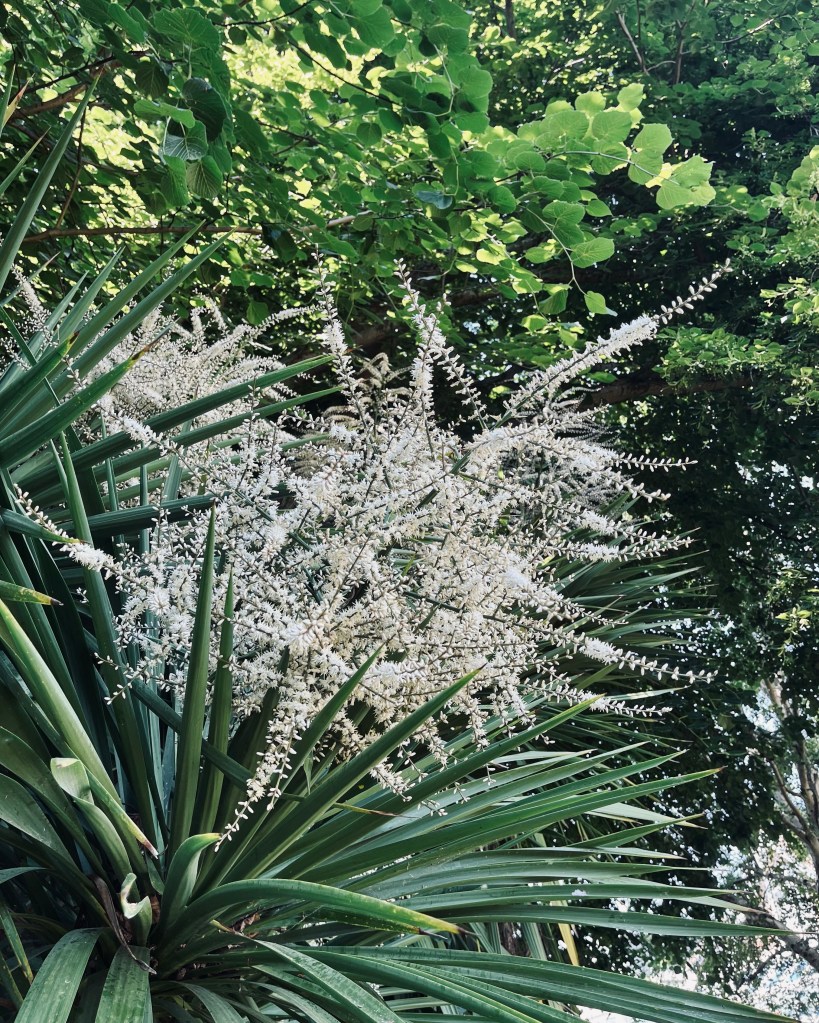
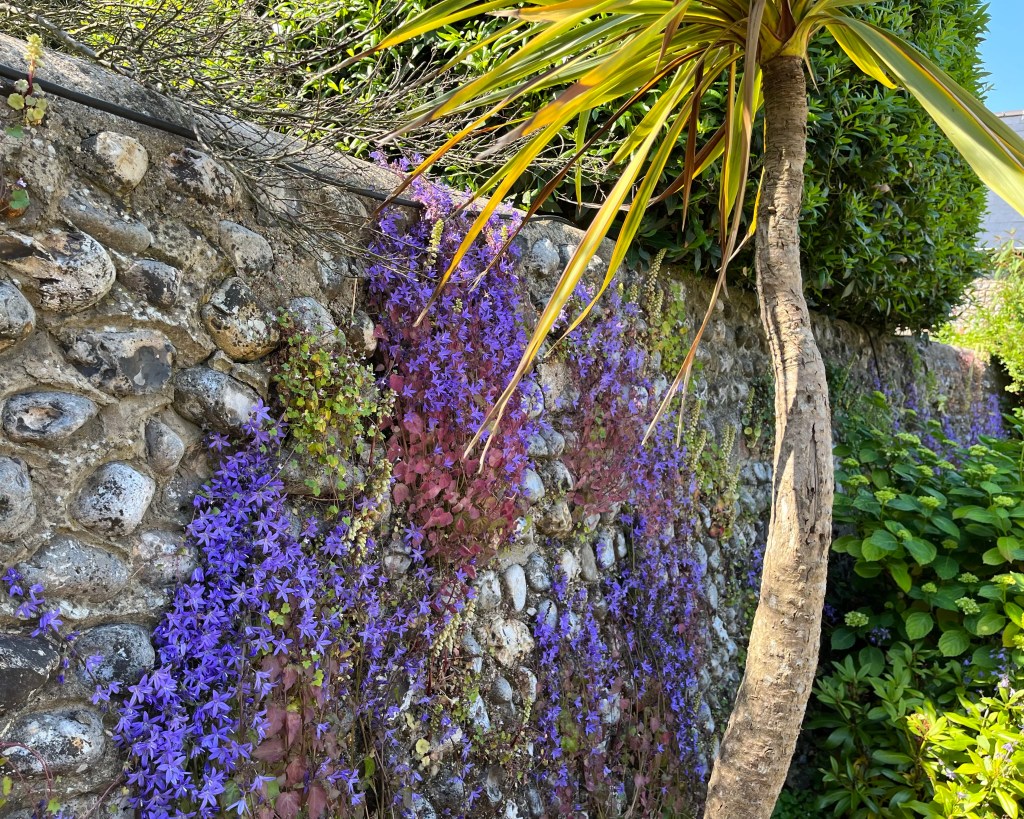
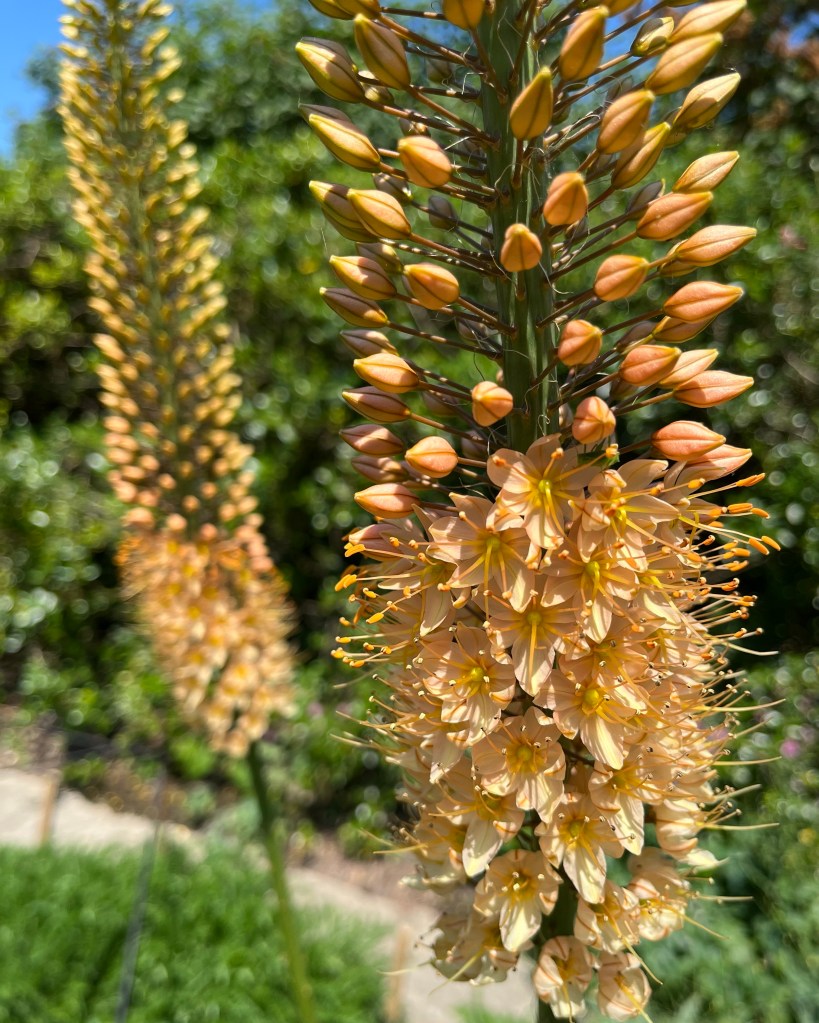
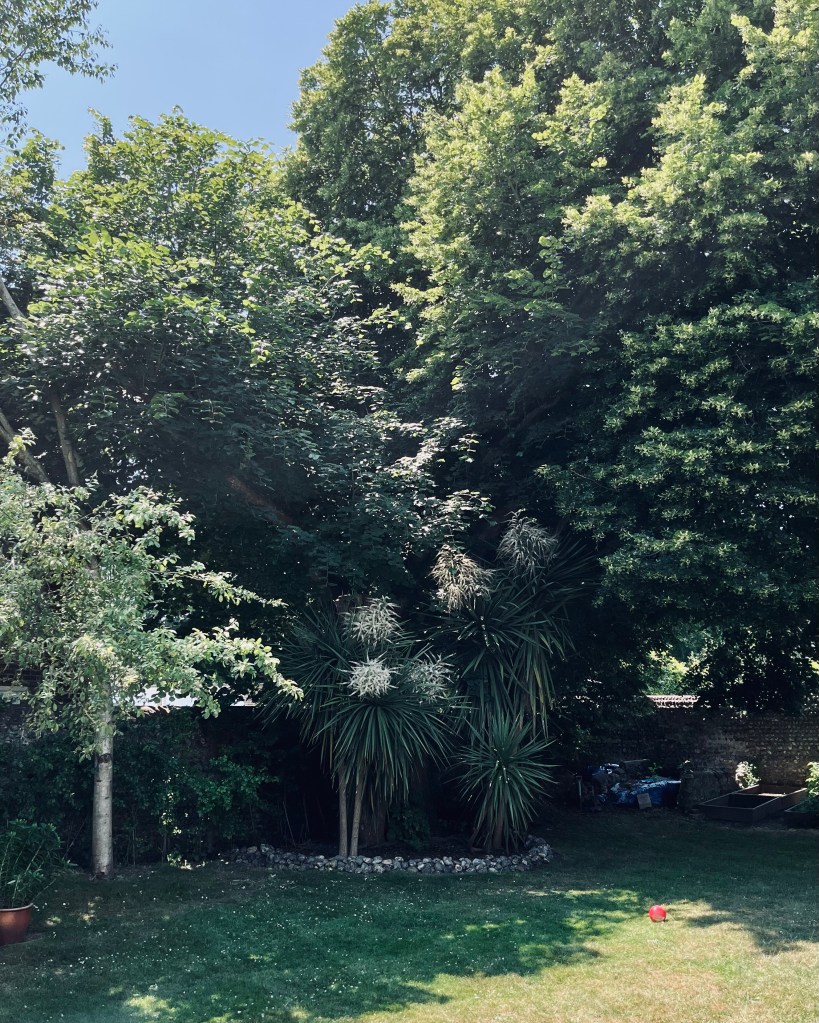
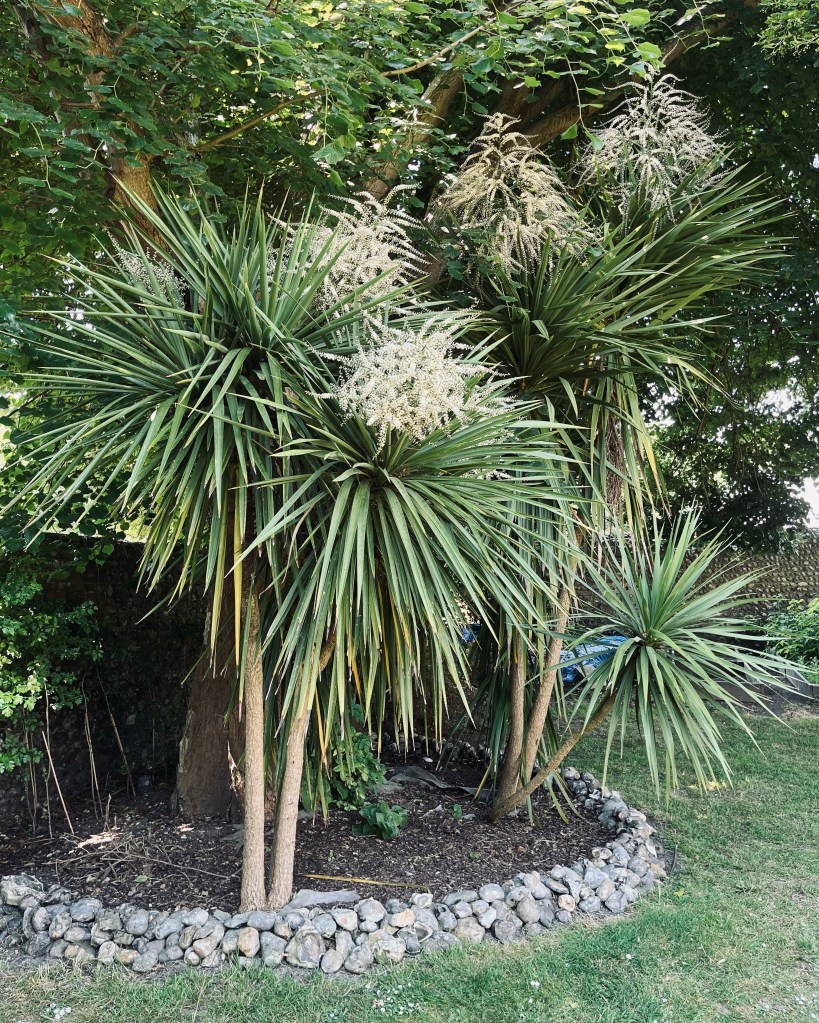
Cabbage palm/Cordyline australis

According to a well known plant and garden authority here in the UK Cordyline australis dislikes deep shade, but seen here flowering happily in exactly those conditions, tucked right under a dense Tilia with only north facing exposure.

Very fragrant in flower and benefits from having old leaves lowest on each crownshaft removed along with the inflorescences post flowering.
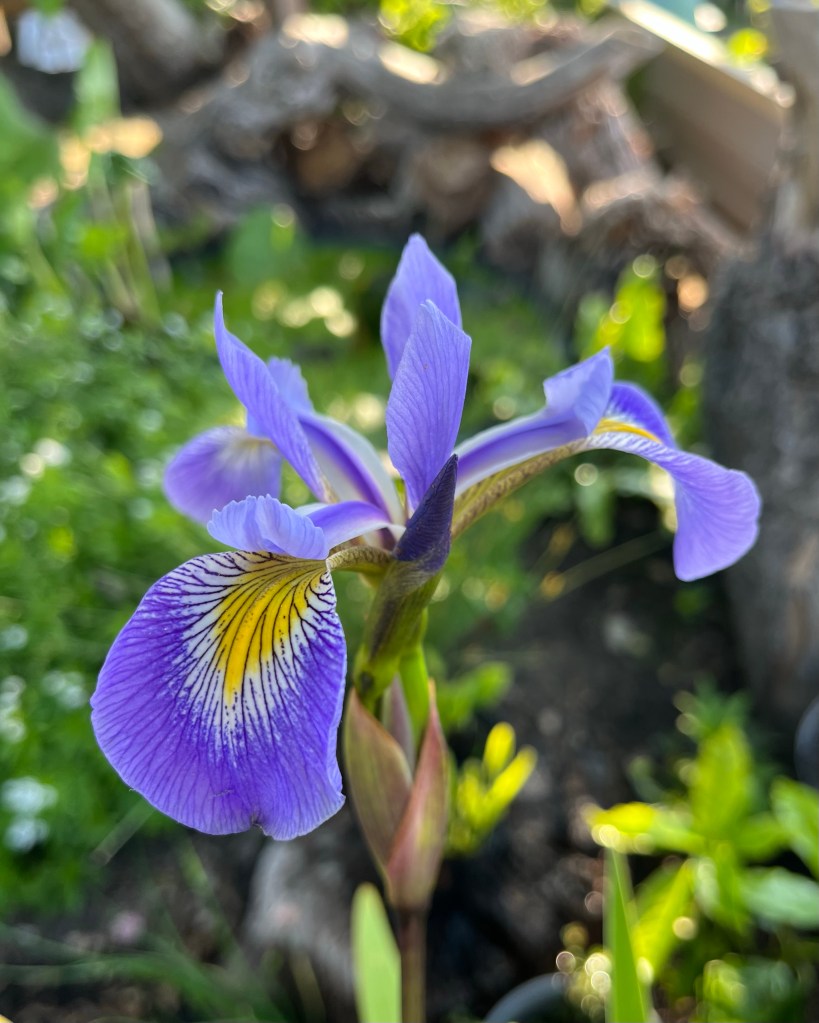
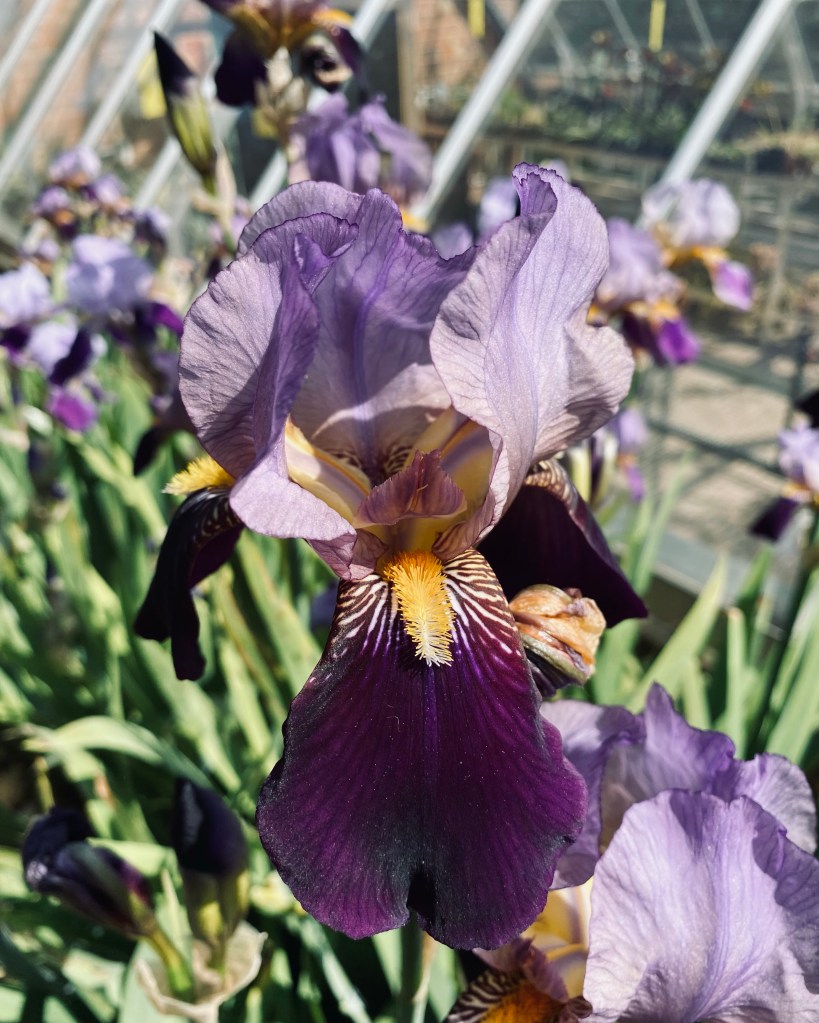
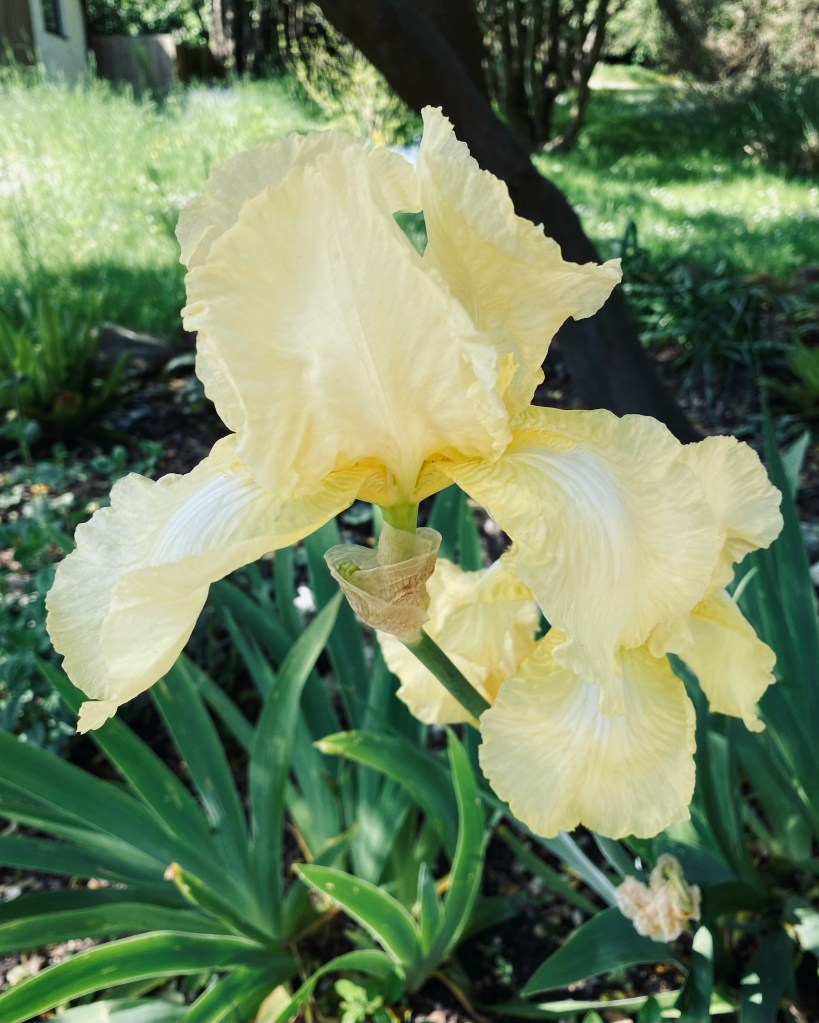
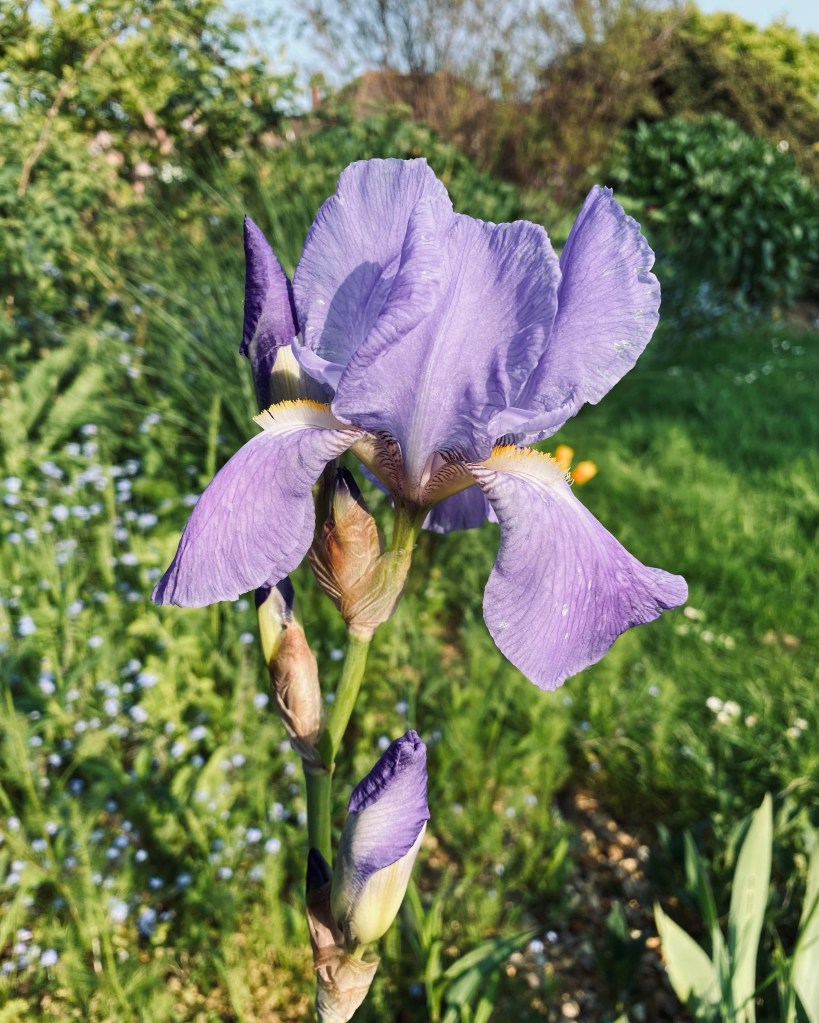
Bearded Iris/Iris germanica

Hard to ignore and significant throughout human history, Iris being the Greek goddess of rainbows, which is certainly apt given the shear variety of colours and combinations in cultivation. The tripartite flower was significant to early Christians in representing the Holy trinity, the Greeks planted Bearded Iris on the graves of women and the stylised Fleur-de-lys was the symbol of French royalty for god knows how long.

Prefers a warm dry situation.

3 Plants for now: 3rd week of May

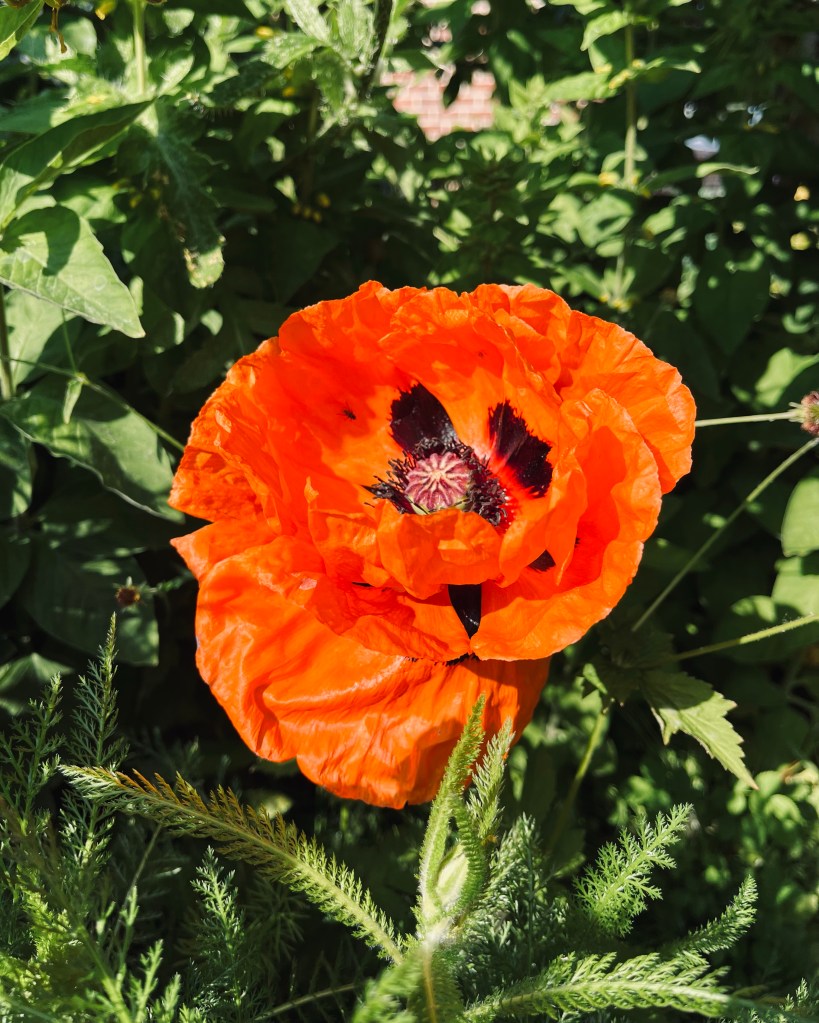
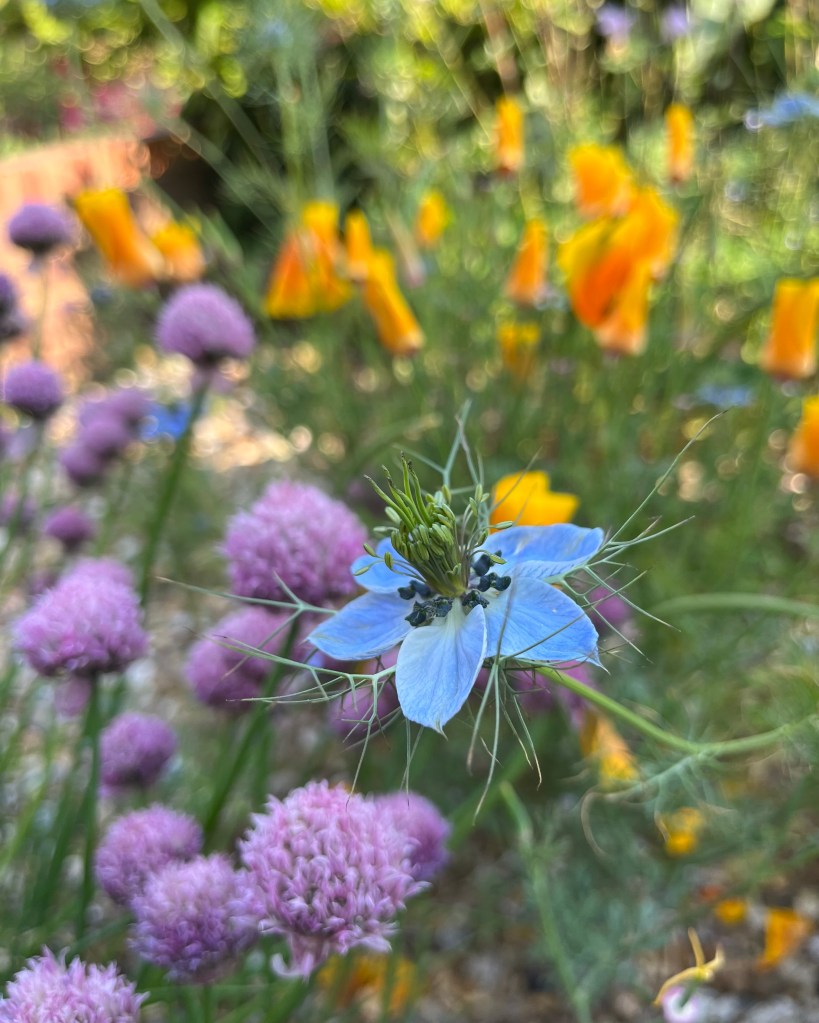
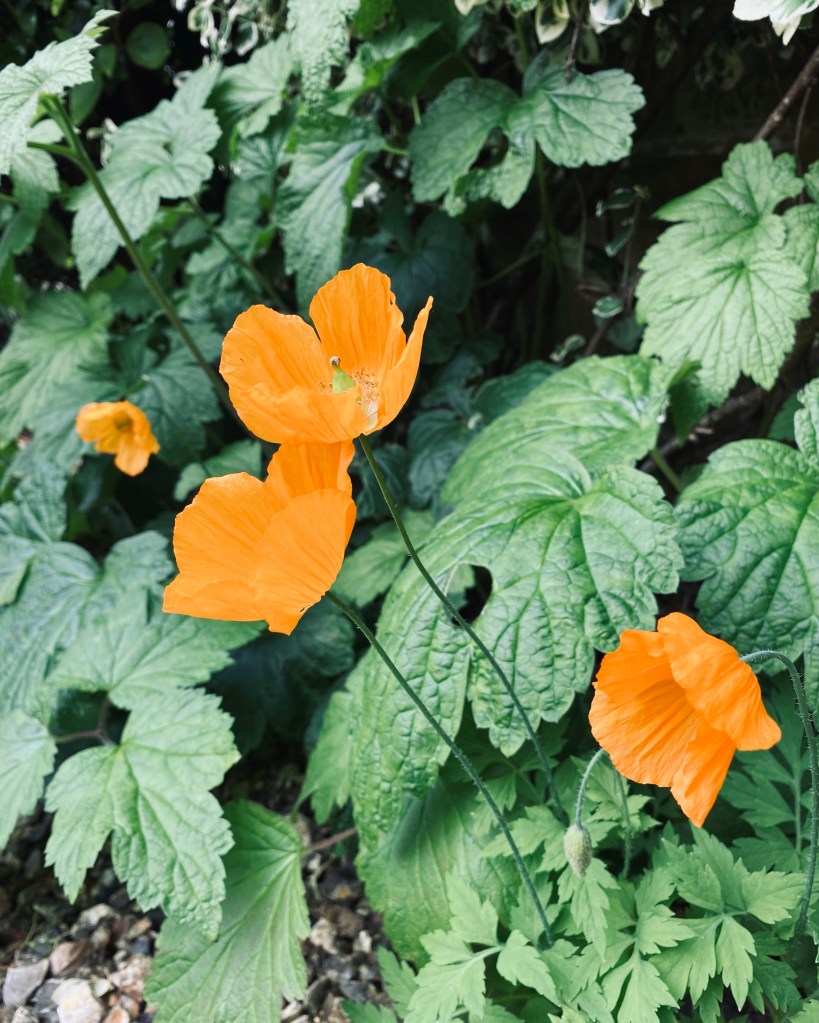
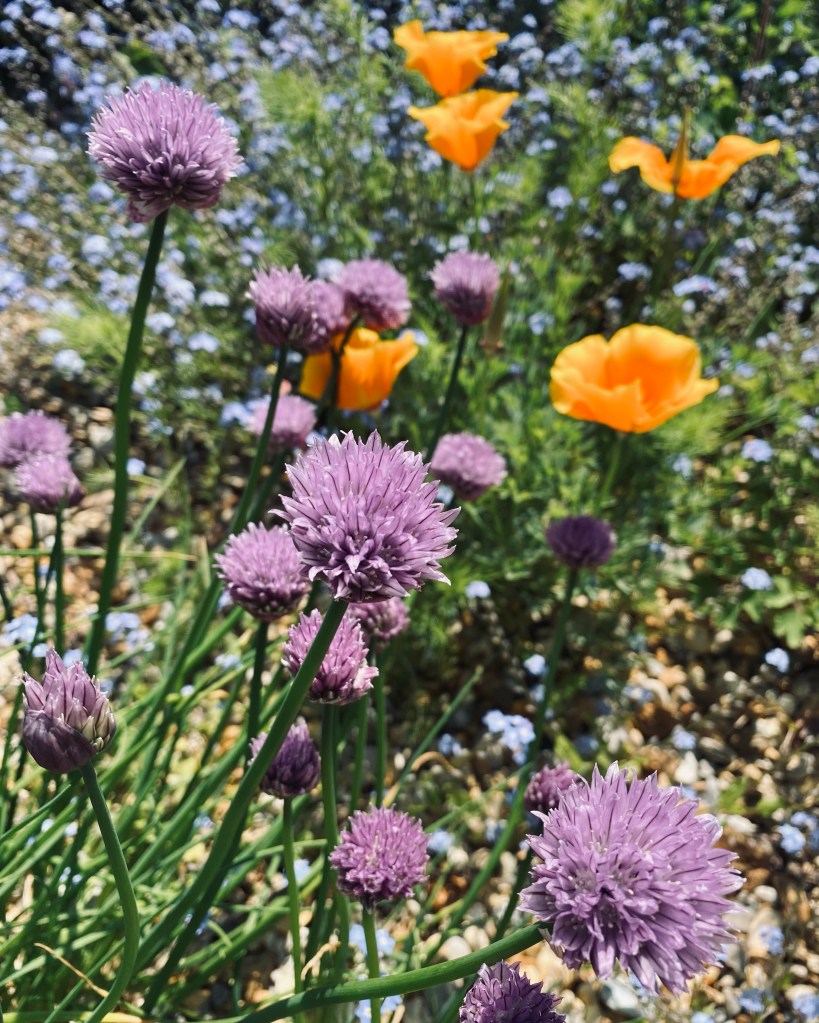
Annual Welsh poppies, Papaver cambricum, native to Wales (as the name suggests) and a garden escapee in parts of England – a confident self seeder here in orange which I think beats the more often seen yellow option. Chives, Allium schoenoprasum, also keen self seeders, striking in flower and of course edible. Lastly, Scarlet avens, Geum quellyon, unknown cultivar, another good value long flowering cottage garden perennial.

3 Plants for now: 2nd week of May

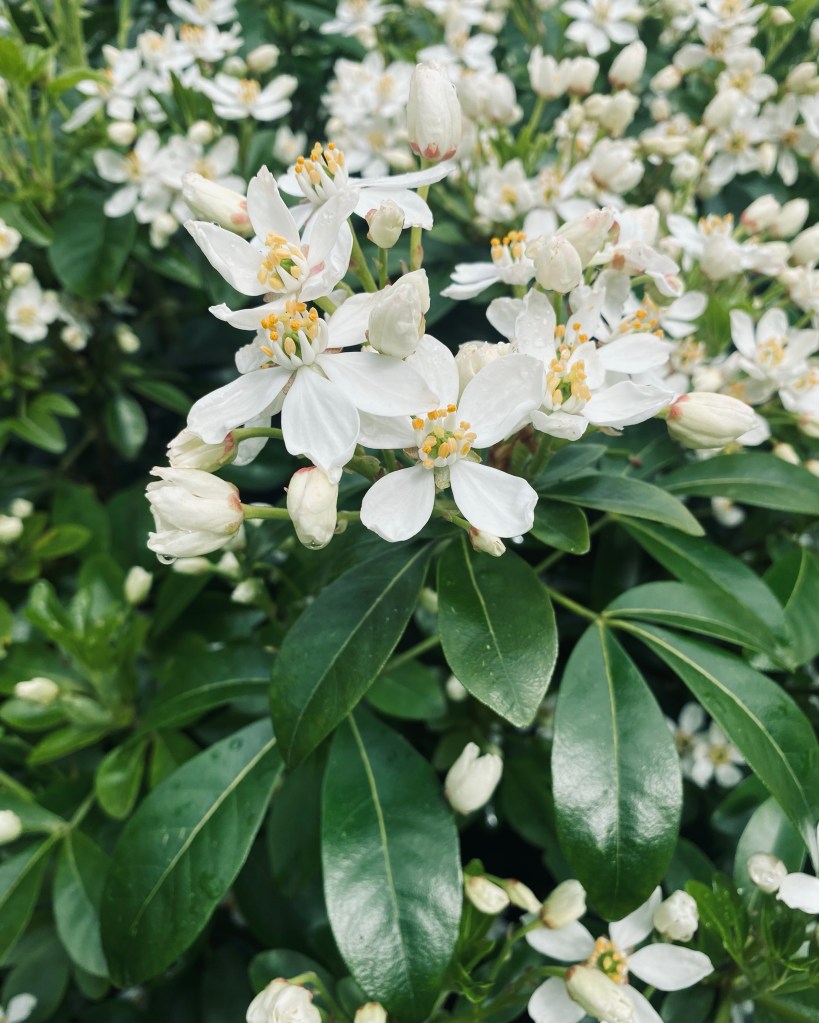
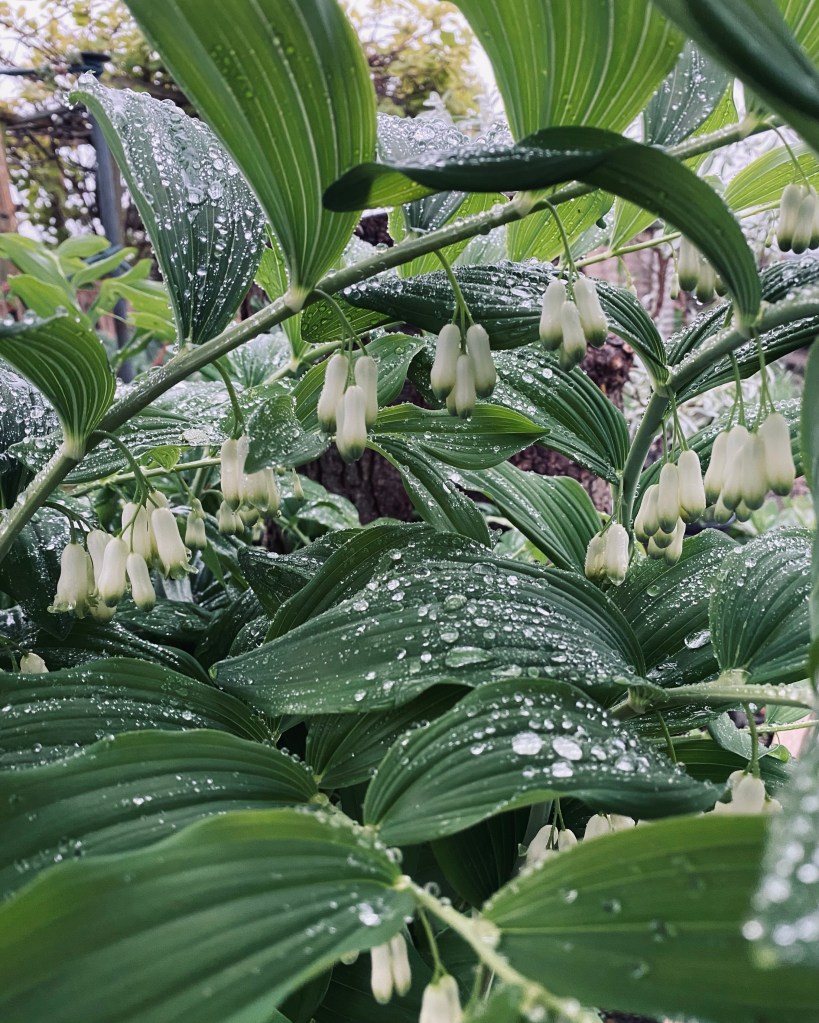
Choisya ternata, Mexican orange blossom, aromatic, evergreen, with spring flowers and some in late summer too. Solomon’s seal, Polygonatum multiflorum, a shade loving asparagus family perennial, often preyed upon by grey caterpillar like larvae of the Solomon’s seal sawfly. And lastly Apple blossom, spot it by the road side where a tree has grown from the pip of an apple thrown from the car window.