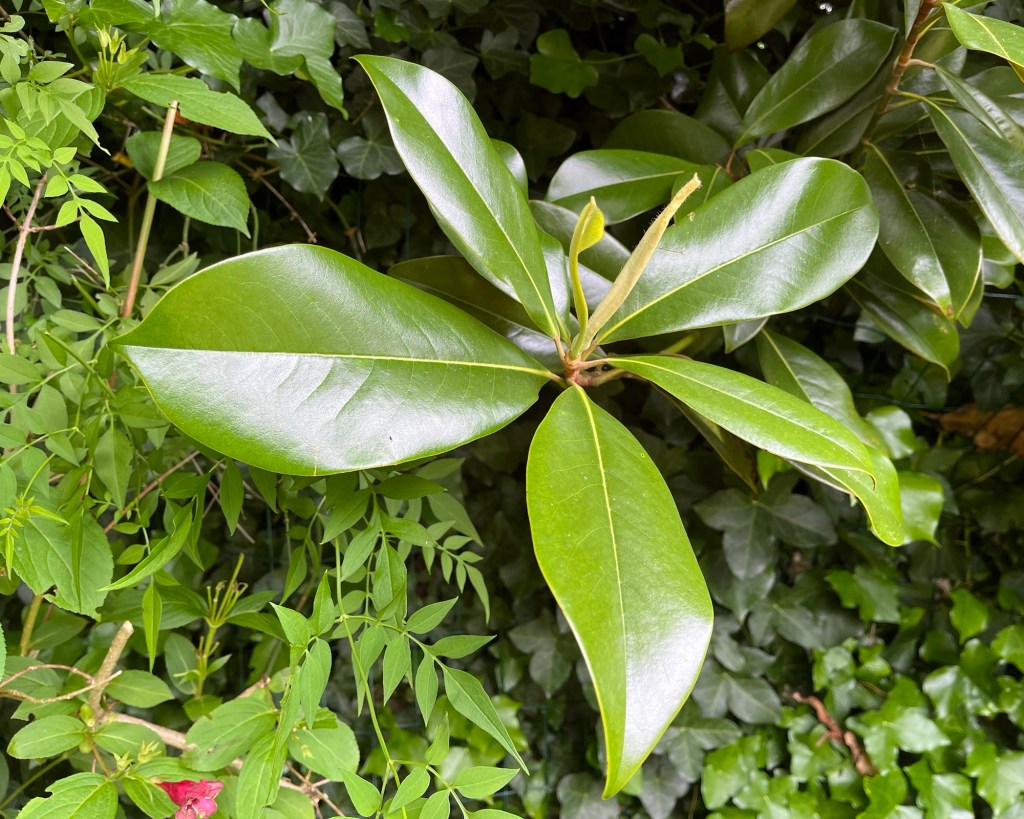
Evergreen and frequently seen, a stand alone specimen is nice but I appreciate it more when it is grown amongst other contrasting foliage. Magnificent as new leaves set in early summer.
Gardening and Growing
Evergreen and frequently seen, a stand alone specimen is nice but I appreciate it more when it is grown amongst other contrasting foliage. Magnificent as new leaves set in early summer.

Pulmanaria officinalis is a good example of a plant with many common names. The RHS lists them as (and there are probably more):
Bedlam cowslip
Beggar’s basket
Bugloss cowslip
Jerusalem cowslip
Lady’s cowslip
Mary’s honeysuckle
Mary’s tears
Soldiers and sailors
Spotted dog
Virgin Mary’s honeysuckle
Adam and Eve
Jerusalem sage
Lady’s milk
Sage of Bethlehem
So you see it was inevitable that someone (I.e. Carl Linnaeus 1707-1778) would create a system for naming and categorising living things that would finally put an end to the confusion and that would enable us to understand what each other were referring to and not least how these living things relate to each other. Paved the way for Darwin.
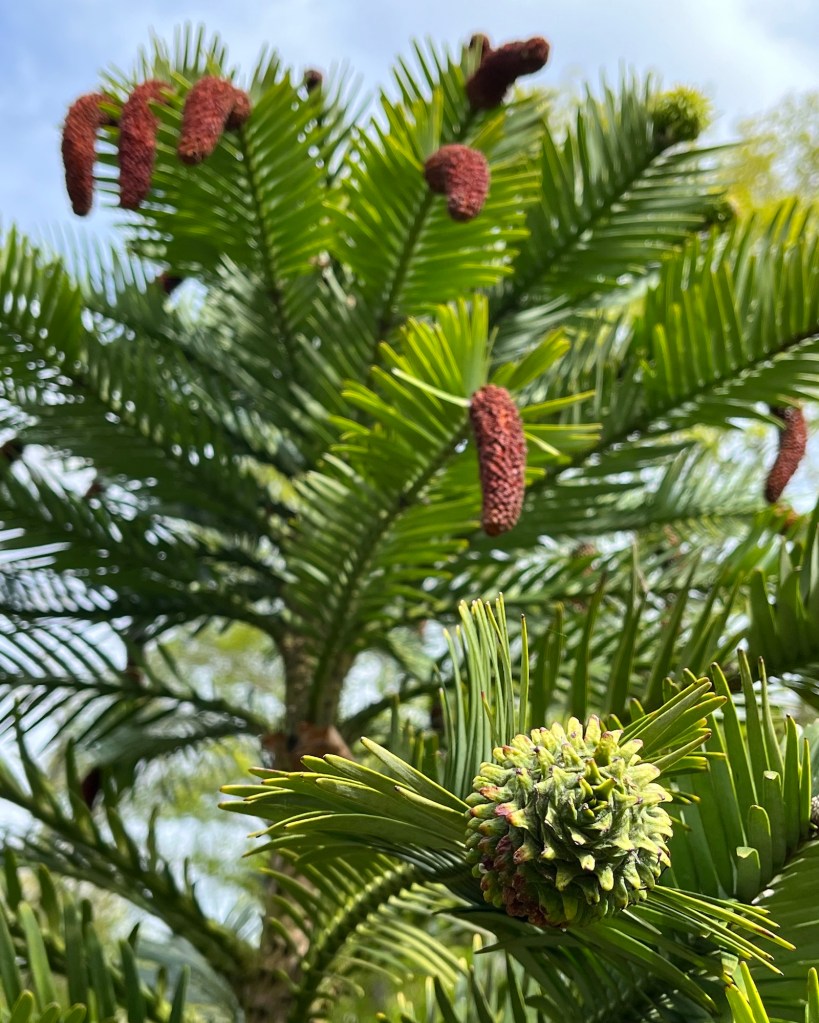
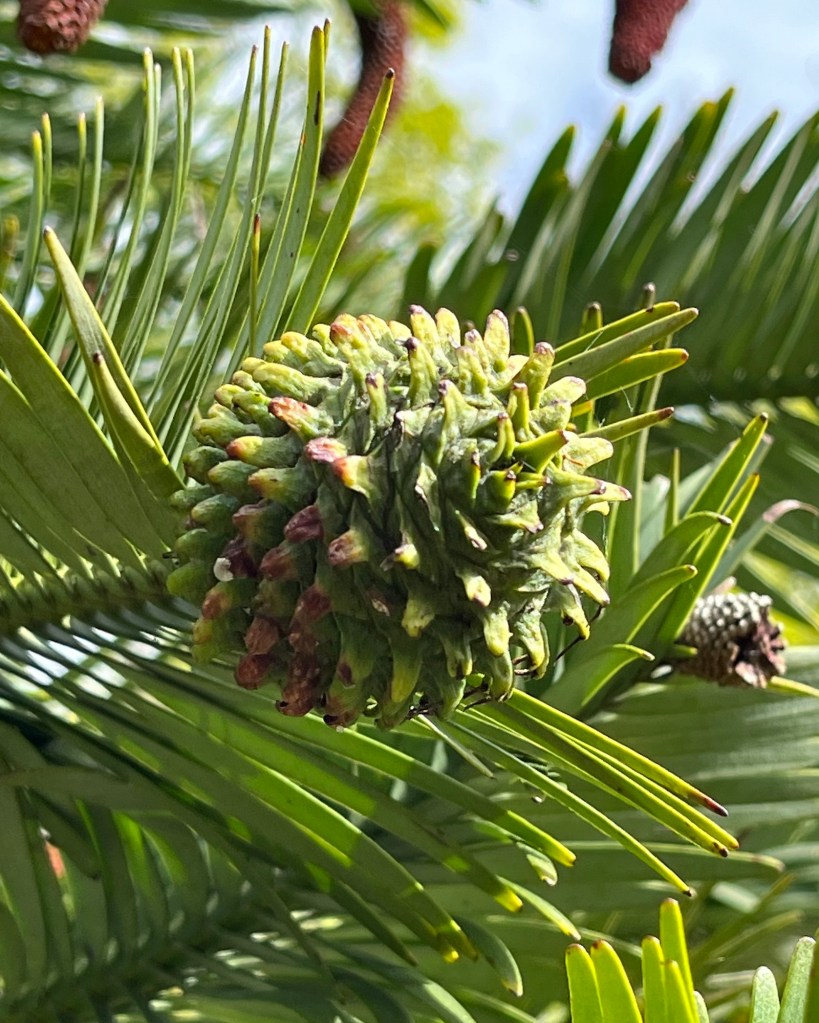
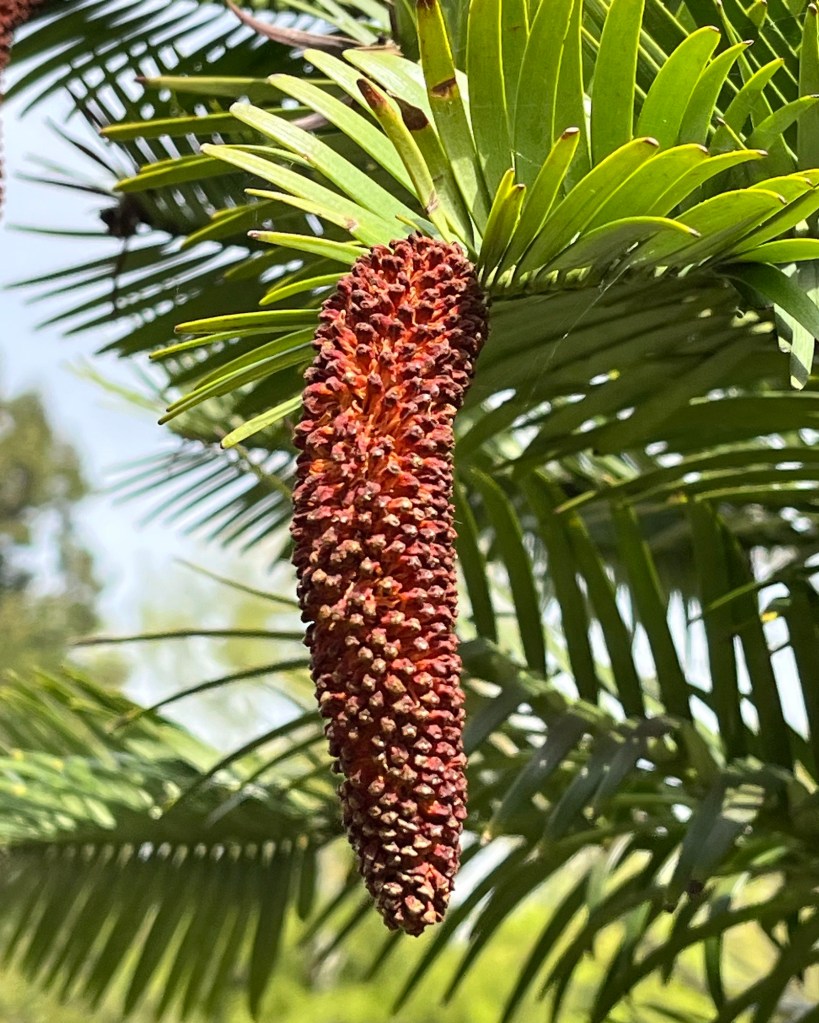
Discovered in 1994, in a remote gorge in Wollemi National Park, Wollemia nobilis is one of the world’s most ancient and rarest trees, representing the only remaining member of a prehistoric genus, and is often described as a ‘living fossil’. Its population comprises approximately 80 mature individuals and about 300 seedlings, found at three sites across the Park, and within 200 kilometres of Sydney.
The Wollemi pine is monoecious, and produces male and female cones on the same tree. The cones begin to be produced on the tips of separate branches when trees are more than ten years, although this varies much depending on growing conditions. The long male cones produce the pollen and the spherical female cones bear seeds.
Text from here.
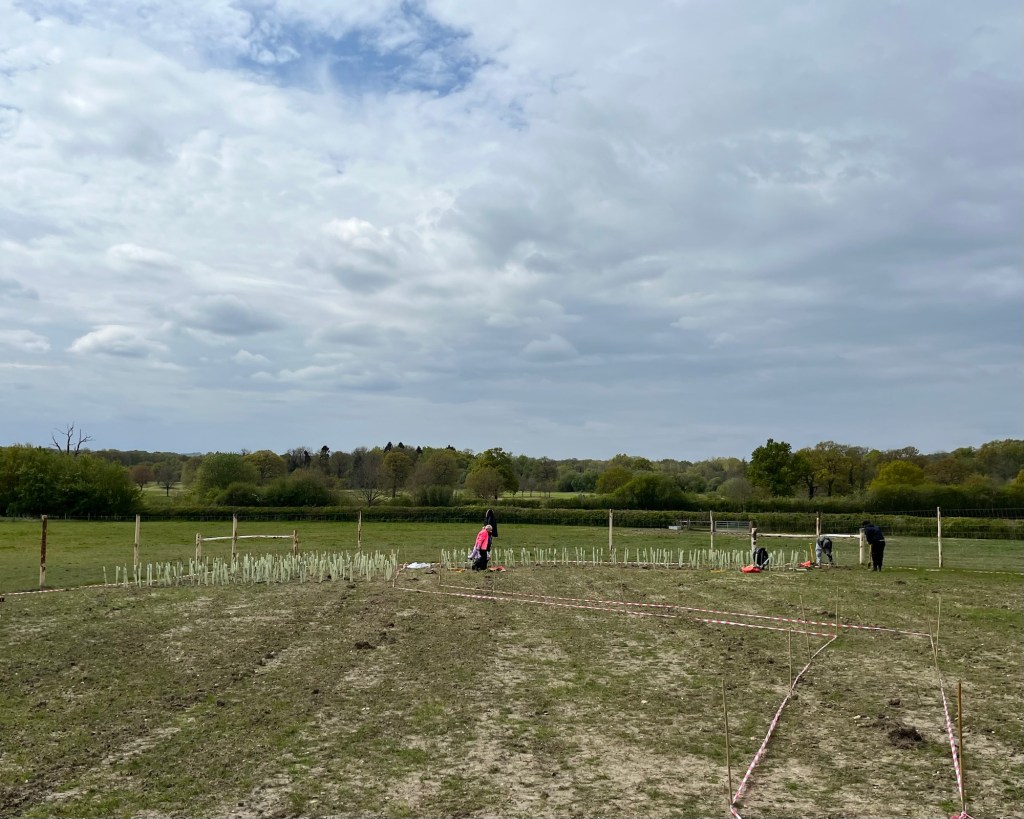
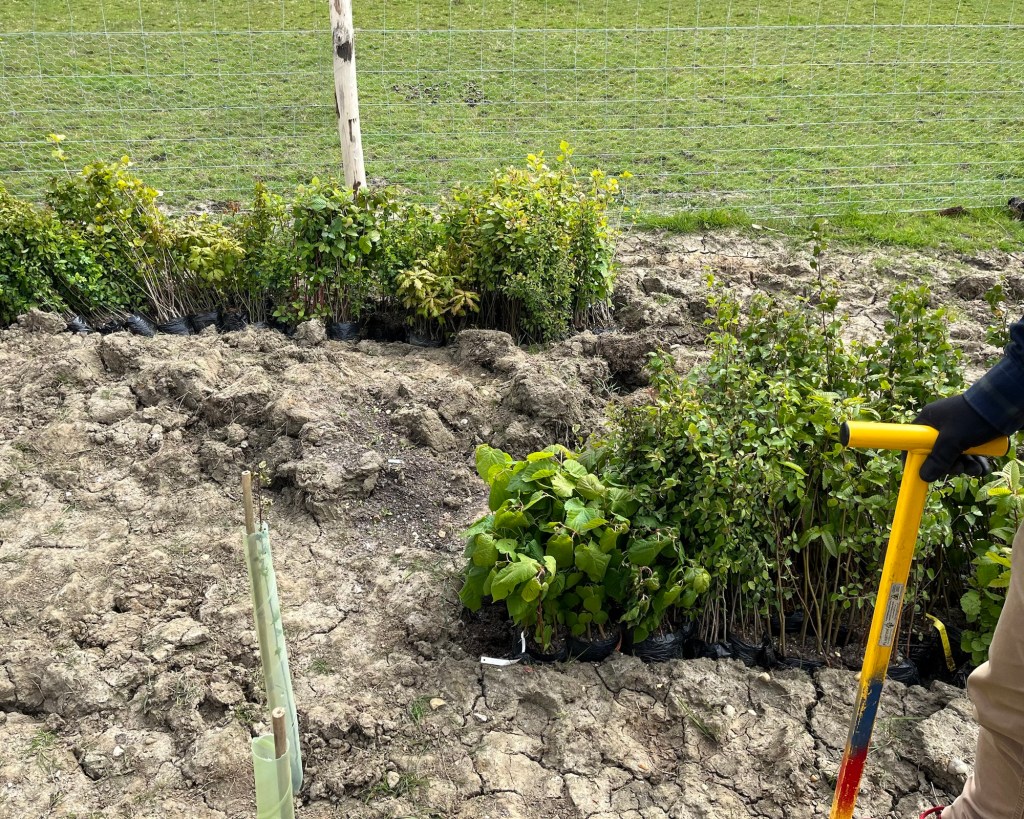
A technique pioneered by Japanese botanist Dr. Akira Miyawaki in which thousands of seedlings of native tree species are grown closely together in a prescribed area. This density of planting forces growth upward and speeds up the natural process of succession (bare ground to native woodland) that would otherwise take many years. Dr. Miyawaki won the 2006 Blue Planet prize by the Asahi Glass Foundation of Japan for contributions to resolve global environmental issues. Today in 2024 this technique seems even more pertinent, given our knowledge of climate change causes and remedies.
The above photos are of a 2024 project in Guildford, Surrey, sponsored by the county council there that is seeing 2800 native trees planted at 50cm spacing over an area of 500m2.
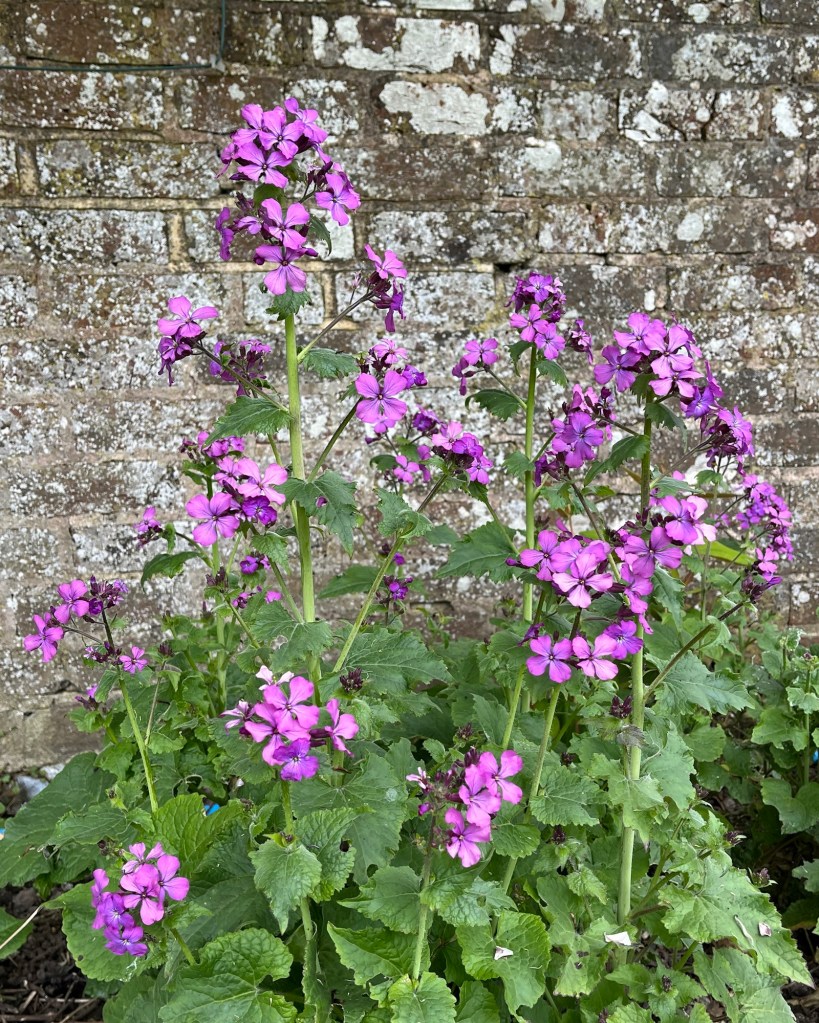
Perhaps more recognisable in autumn by it’s flat, round, translucent papery ‘silver dollar’ seed pods than by its flowers and foliage in spring. A confident self seeder, not native but trying to naturalise. There are some cultivated forms, one with a variegated leaf and a white form too. As a member of Brassicaceae could be used as a trap crop, distracting insects drawn to brassica plants in the edible garden. Cottage garden staple, ideal woodland garden member.

‘I always had a strong feeling that I could do something different than I knew, that was solved when I met plants.’ Piet Oudolf
You have to rent it from the website. Piet comes across as philosophical and passionately committed in a stoic and insightful way to the move away from traditional planting that he has become known for. Made in 2015-16 I think.

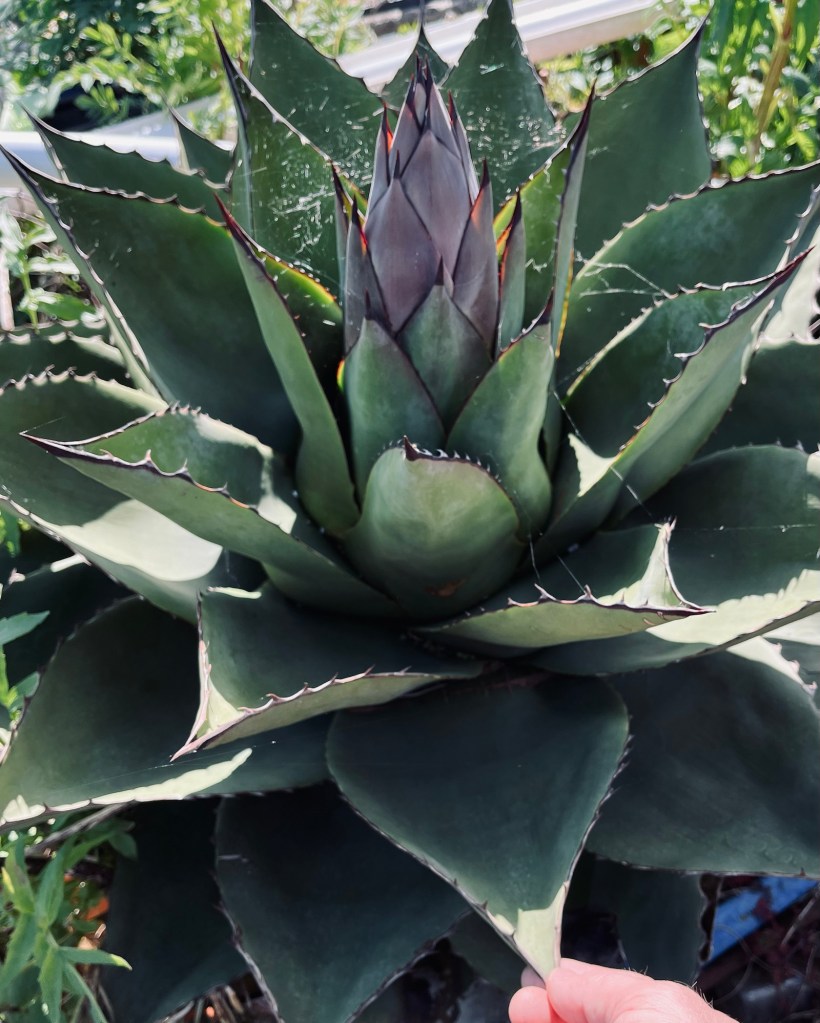
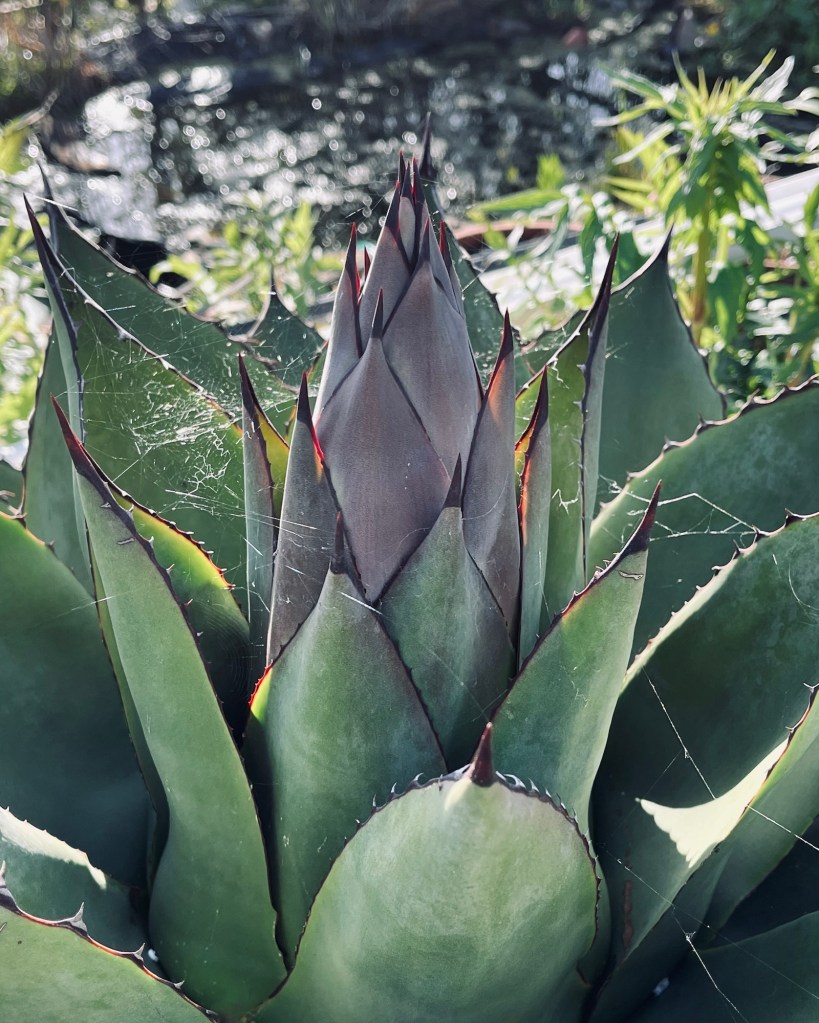
A momentous occasion in the life of Agave montana, and agaves in general, as the flower scape begins to swell and grow. Each plant flowers only once, its life a preparation for this moment, for once flowered the rosette dies and the cycle hopefully begins again from seed or bulbils. Some Agaves make pups or offsets around the base of the rosette during maturity but Agave montana has not been observed to do so. This pot grown specimen has been in this spot (in cracked, earth filled pot) for 4 years, prior to which it was overwintered undercover. Apparently fully hardy and now in April preparing to flower, signalling its demise. A really stunning individual and an intriguing species not long in cultivation having only recently been introduced in 2009. This specimen could be amongst the first of this species to flower in the UK.
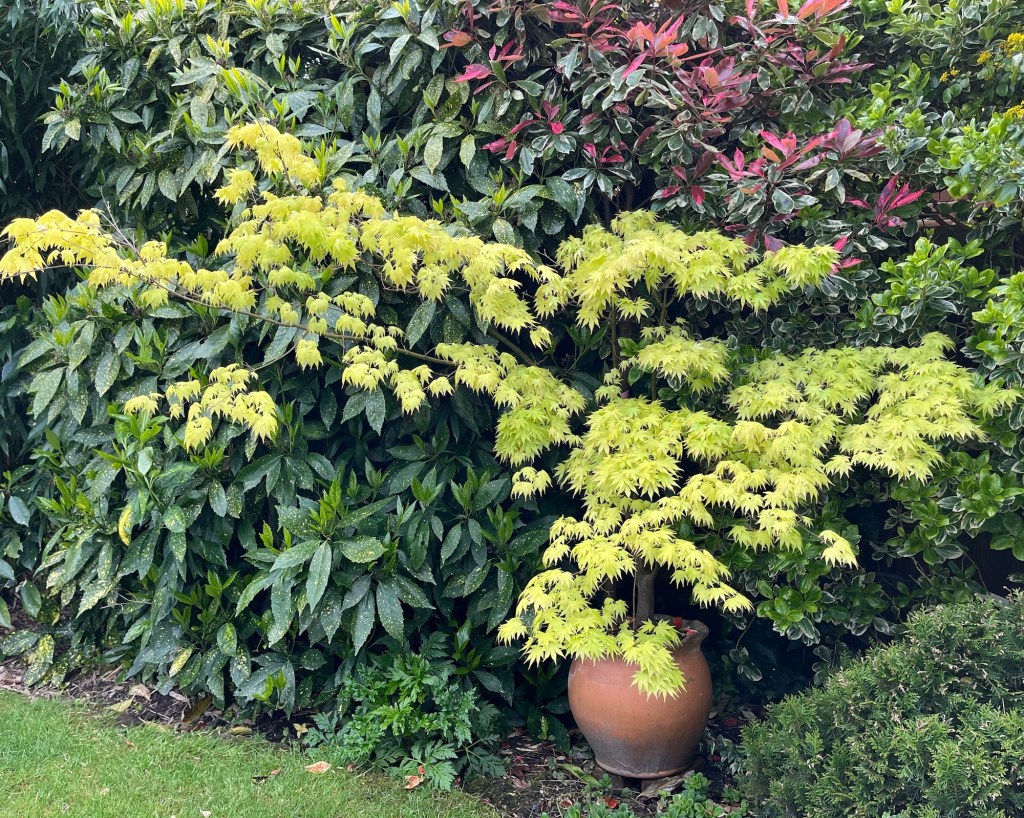
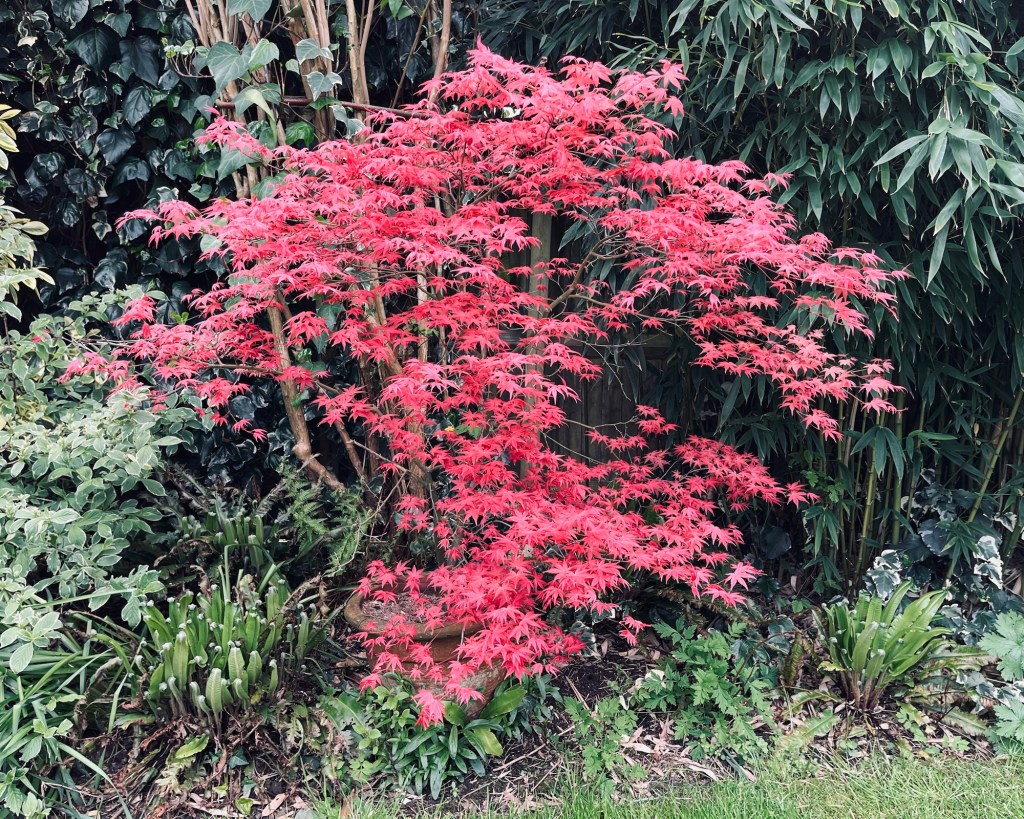
With an evergreen backdrop these two potted Japanese maples, Acer palmatum (unknown cultivars) are displayed to best advantage, the fresh spring leaf suspended in cloud formation contrasting with dense shadowy greenery, and the heavy texture of larger leaves behind. They demand attention as if to command that you sit in contemplative appreciation before them. In this context they are impossible to overlook, and at this moment it’s easy to understand the popularity of A. palmatum as a garden plant and the staggering range of cultivars available. No wonder some develop an obsession.
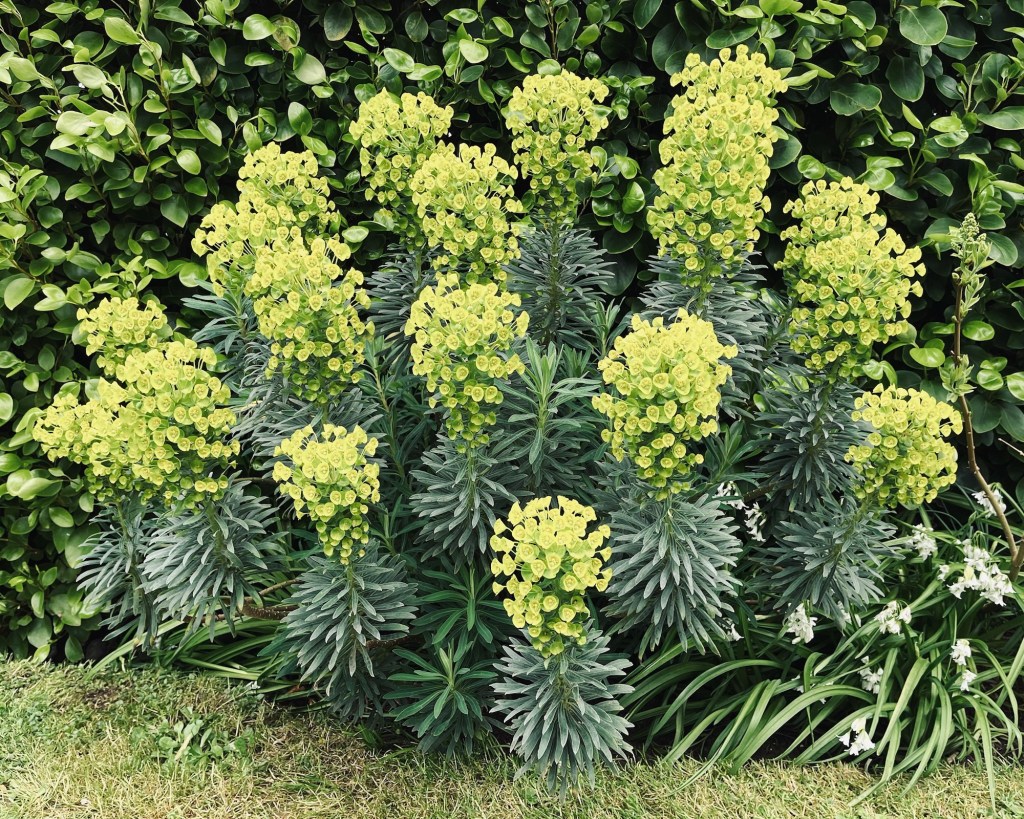
April is a great time for Euphorbia characias wulfenii and here is an exemplary specimen.
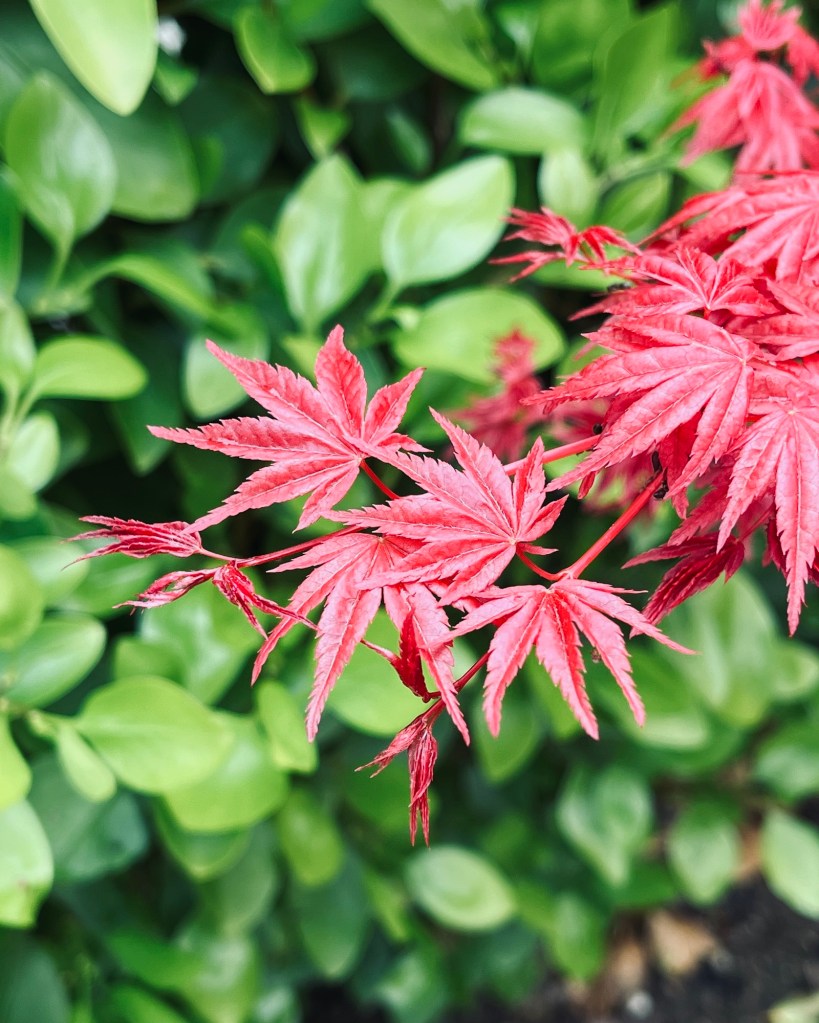
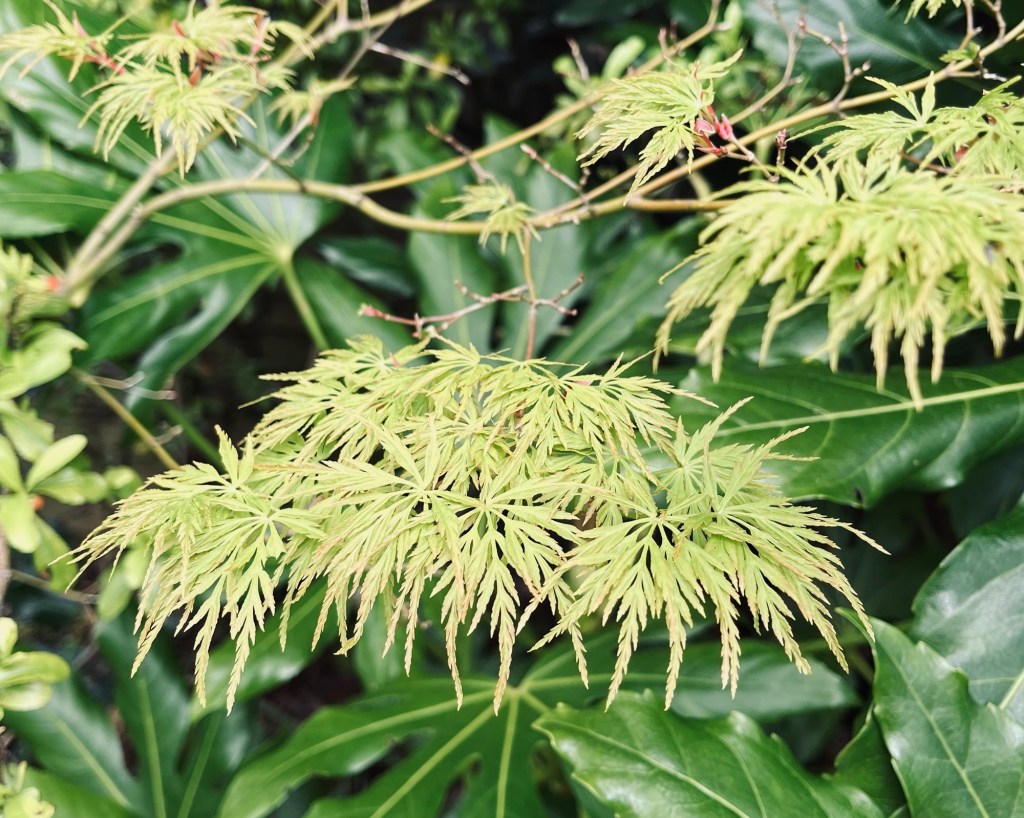
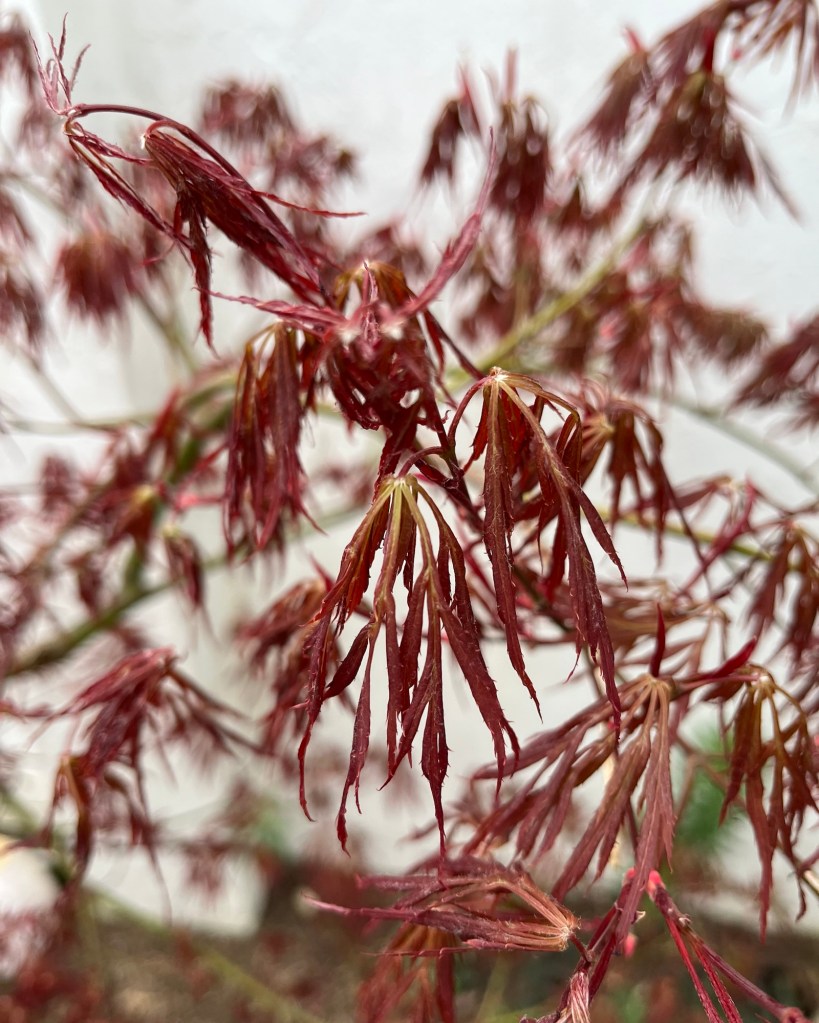
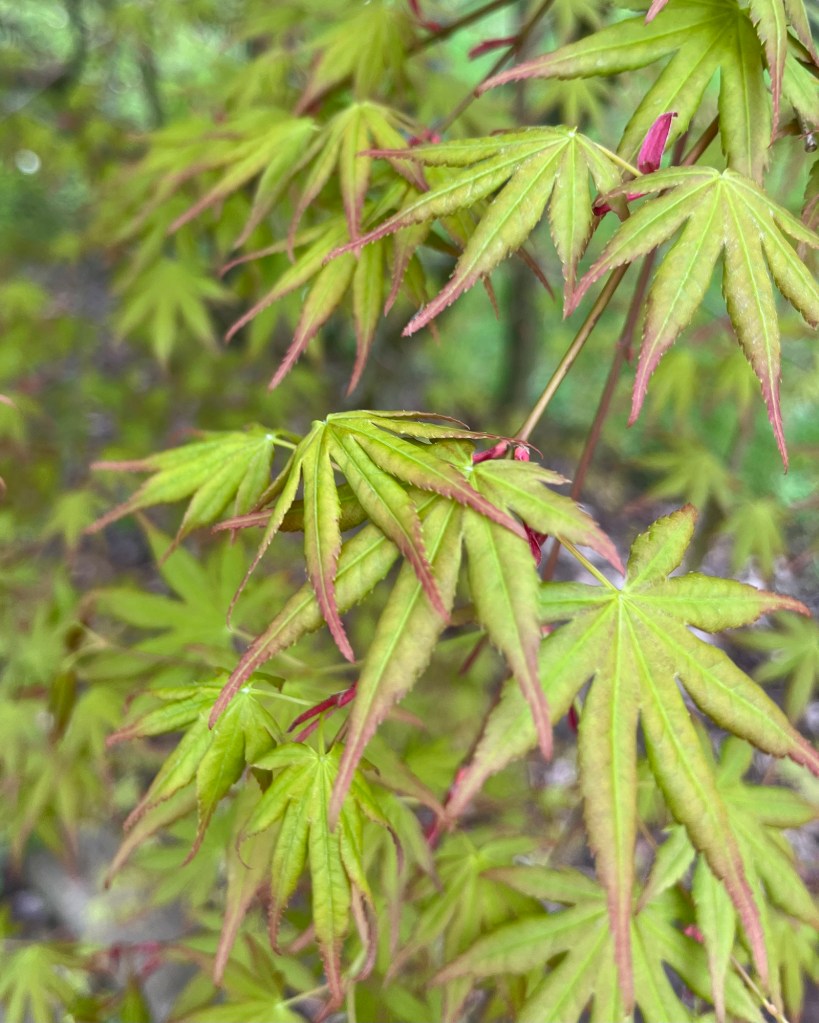
Of the many hundreds of Acer palmatum cultivars here are just four, pictured as the first leaves of spring open out and before the cuticle has formed, the leaves temporarily vulnerable to environmental stresses, but arguably at their most exquisite and delicate stage.
 Tend&Grow