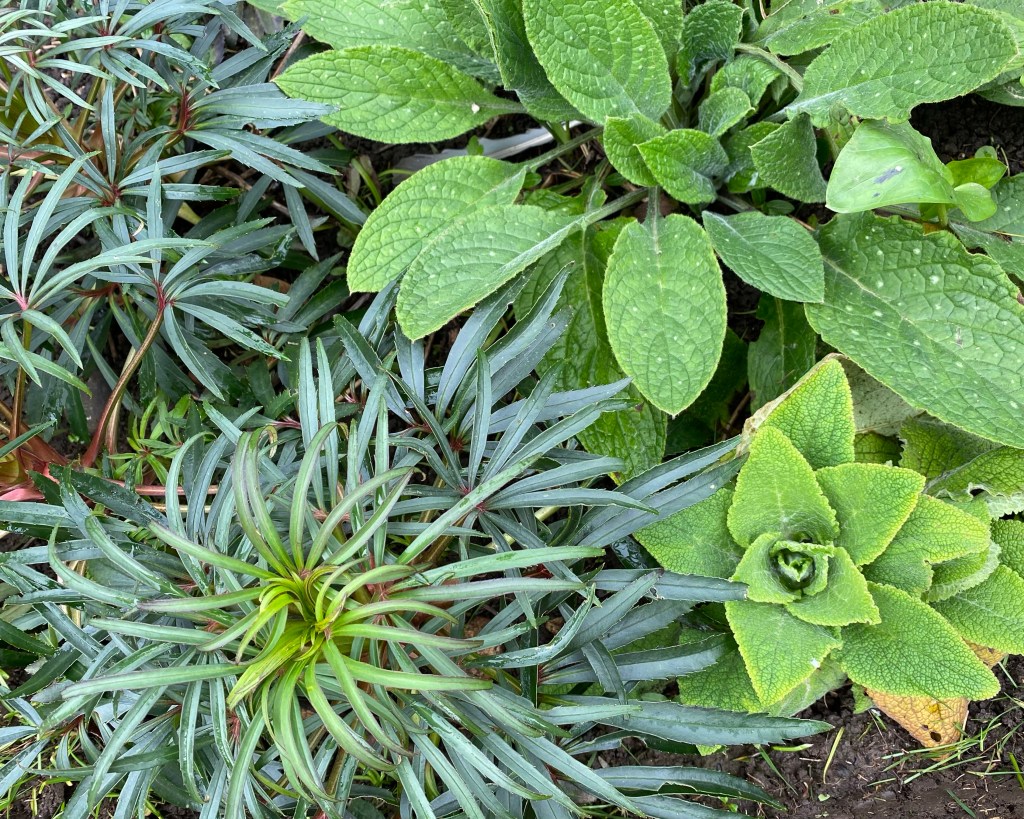
Pentaglottis sempervirens (Green alkanet), Helleborus foetidus (Stinking hellebore) and Digitalis purpurea (Fox glove).
Gardening and Growing
Pentaglottis sempervirens (Green alkanet), Helleborus foetidus (Stinking hellebore) and Digitalis purpurea (Fox glove).
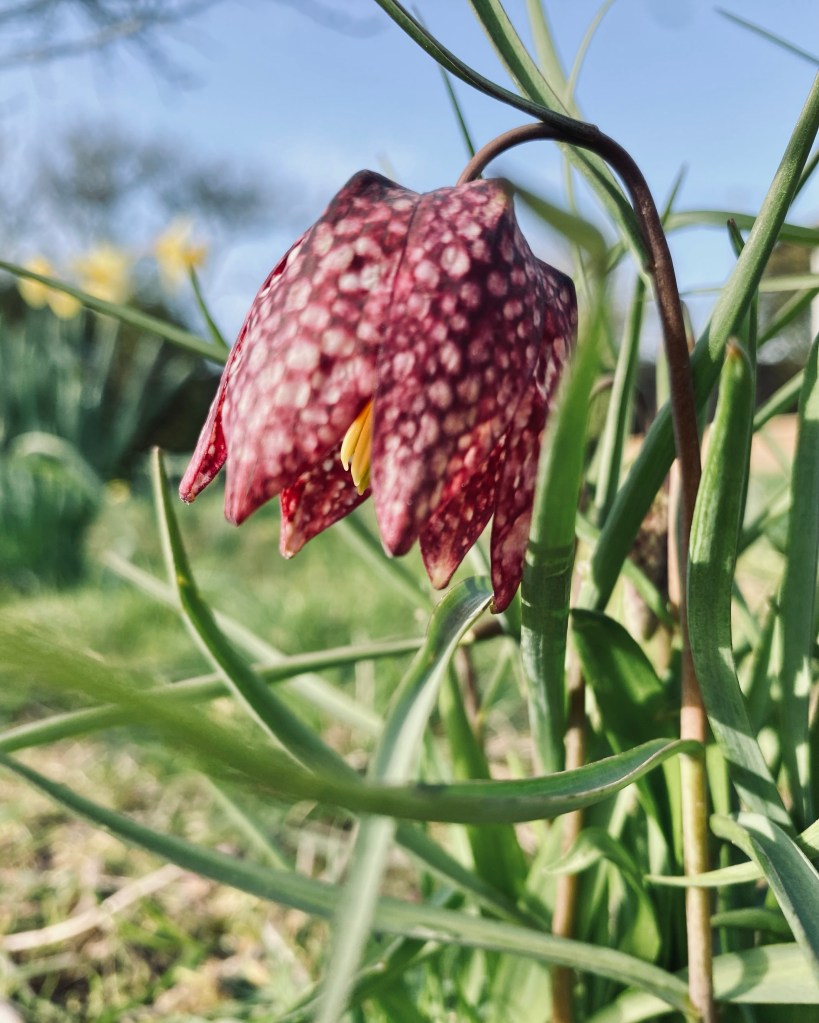
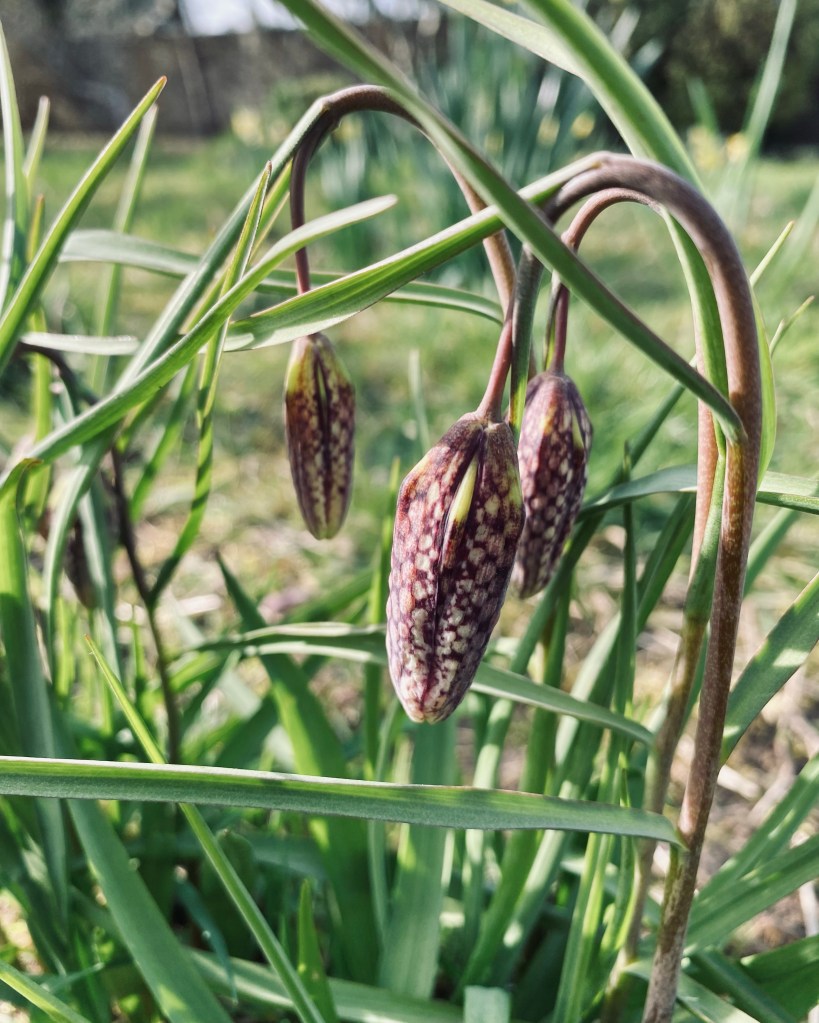
A characterful and uniquely marked spring bulb. Certainly snake like as the common name suggests. Meleagris alluding to the spotted pattern of the usually mauve flowers resembling that of a guineafowl . Vulnerable in its natural meadow setting outside the garden. Tolerant of damp conditions. Native.
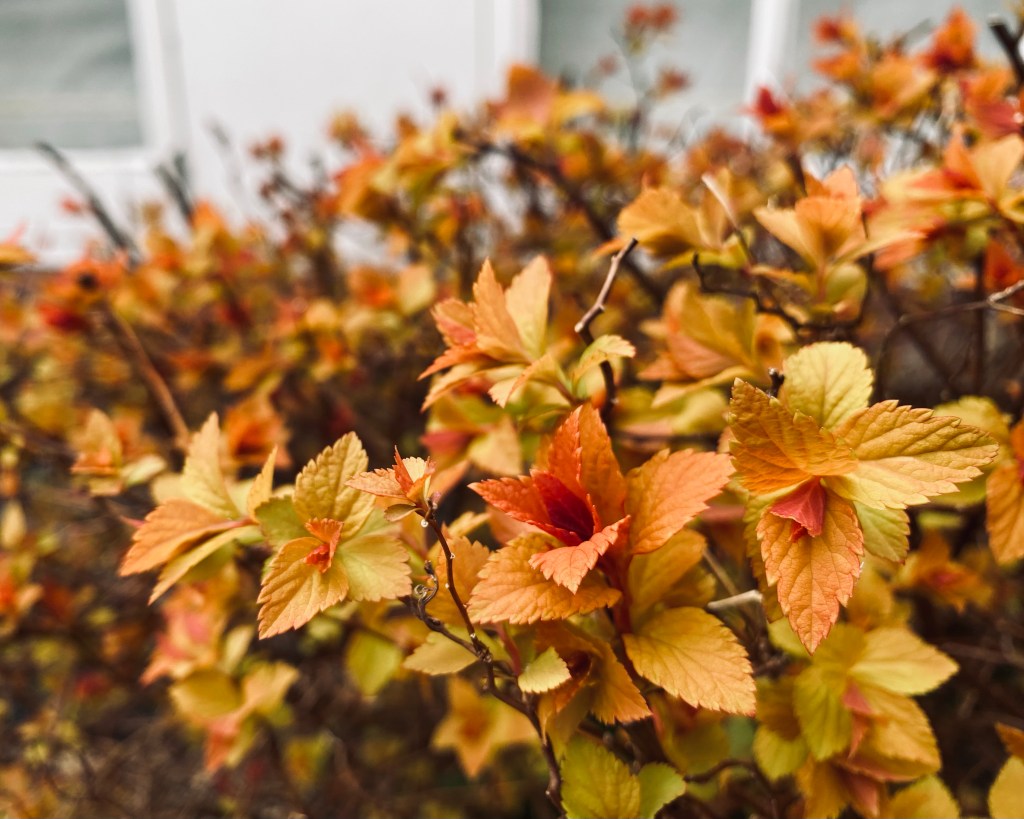
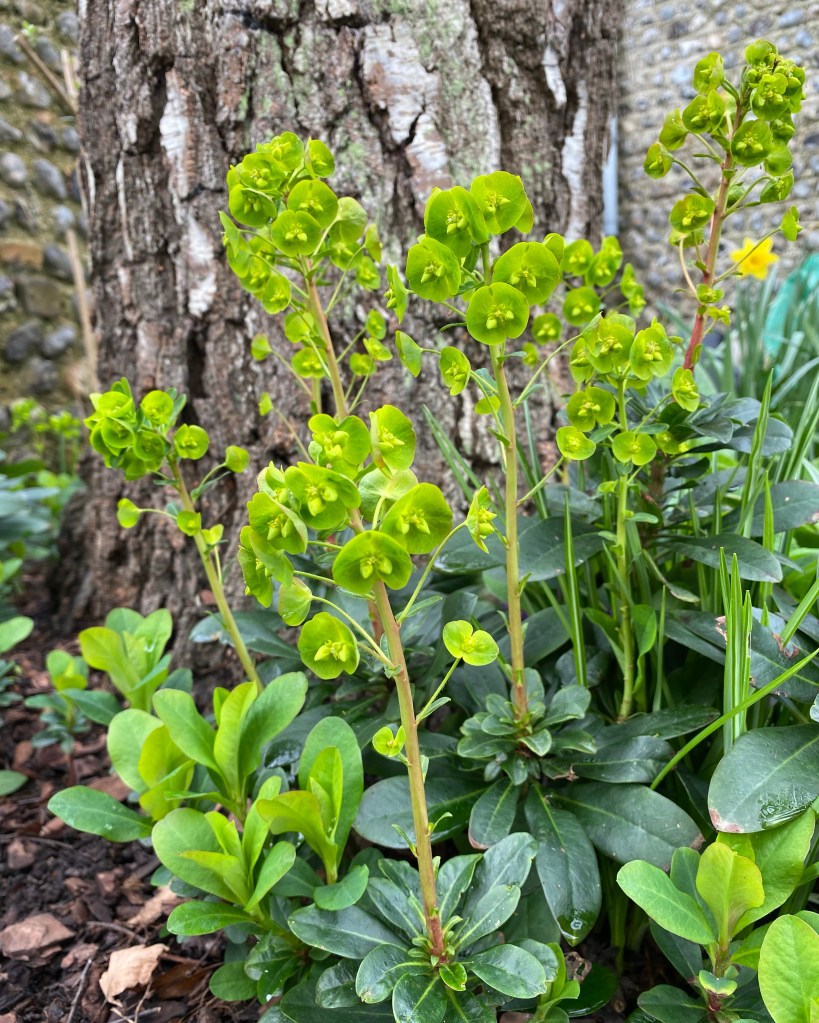
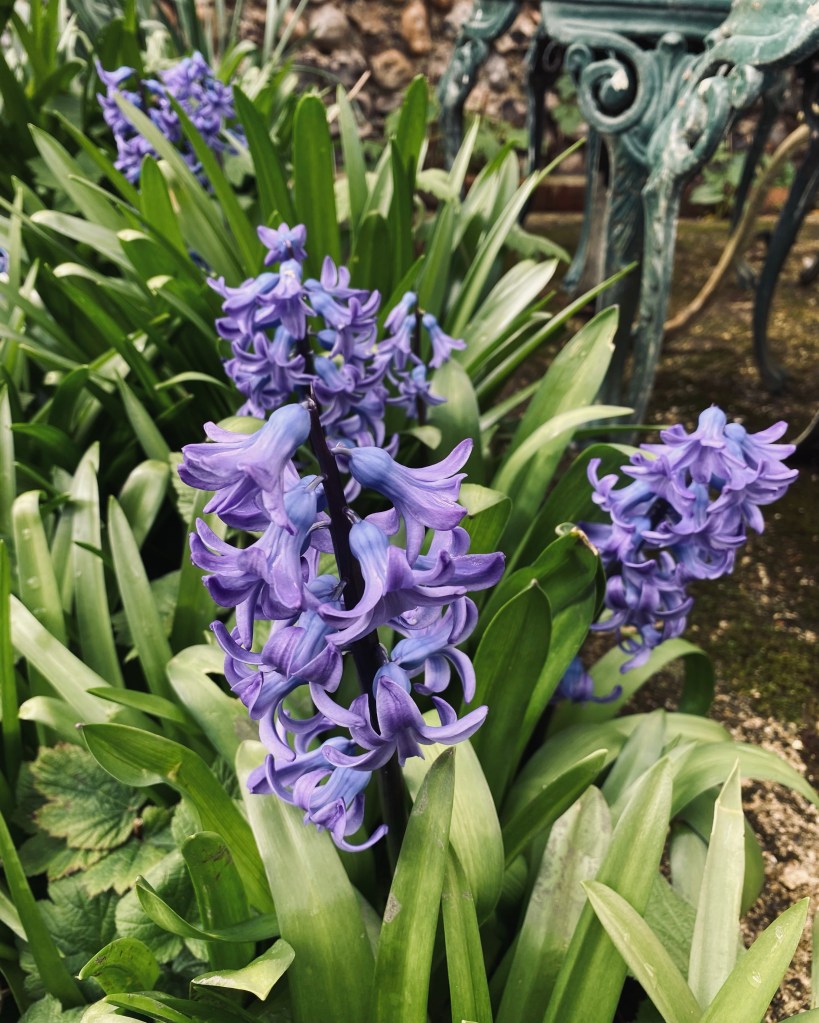
Spirea japonica ‘Goldflame’, colourful as new leaves appear after dormancy followed by Euphorbia robbiae flowering now, and lastly Hyacinthus orientalis ‘Delft Blue’ which is not long lasting but has extraordinary scent thus familiar inside the house also.
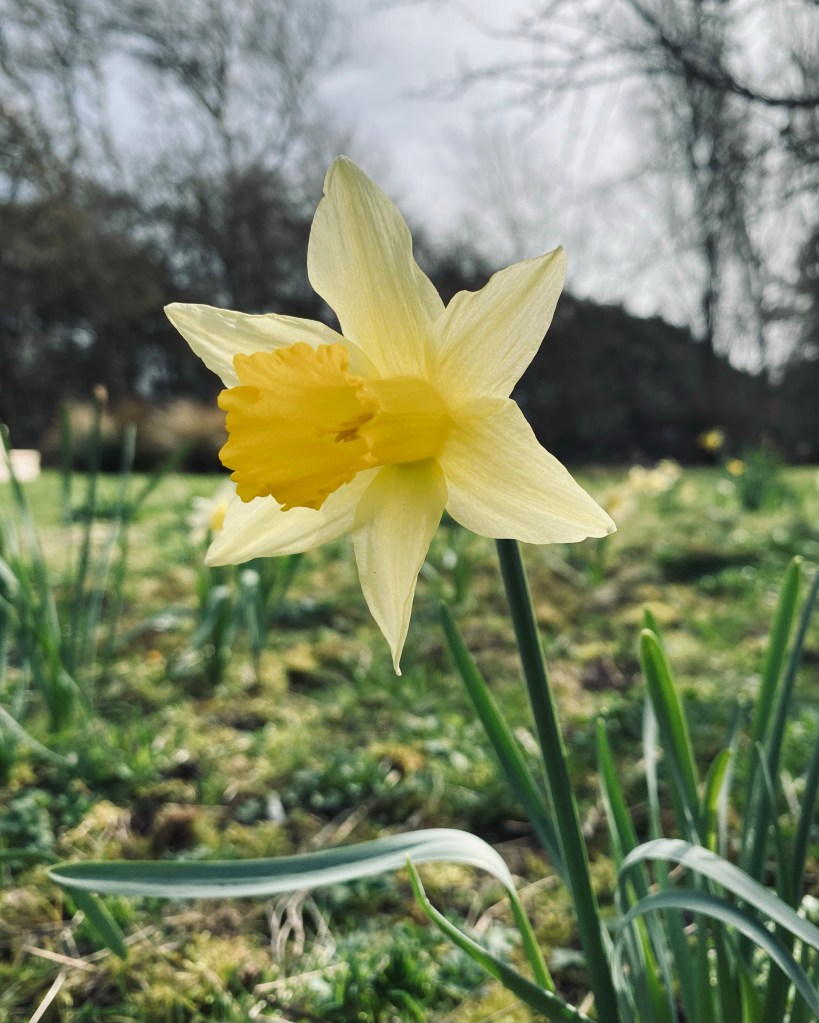
Smaller than some, larger than others of its cultivated cousins. More important on account of its rarity and status. Equally joyous to behold.
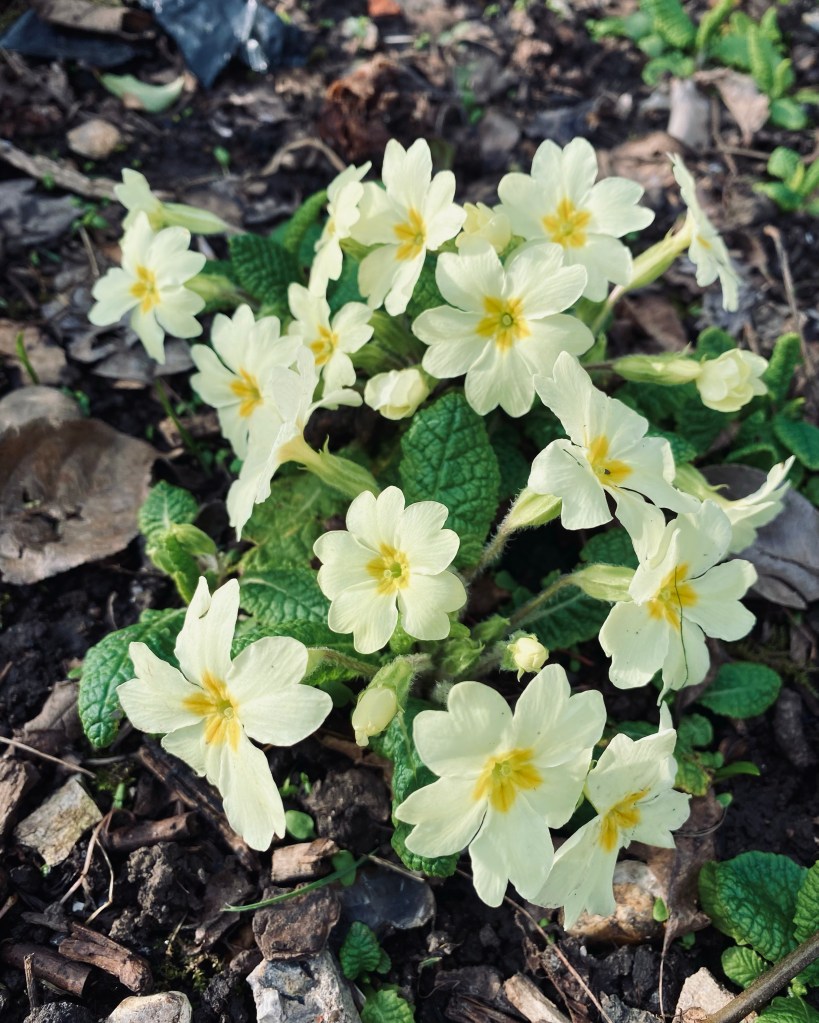
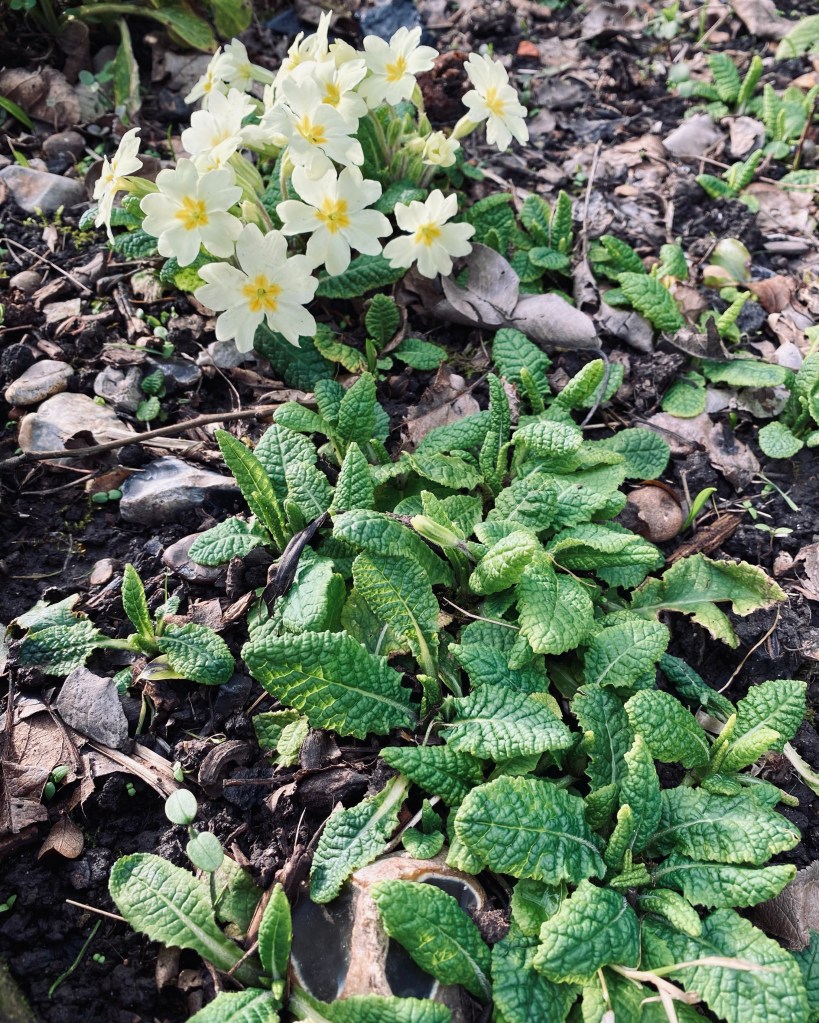
The primrose flowering mid March onwards and happy seeding about under hedges and trees in particular, perhaps because that’s where they are more likely to evade the hoe. If comfortable will germinate and grow en masse providing opportunity to transplant these new plants around and about. Rests throughout the summer, but at this time of year (mid March) it’s undeniably special.
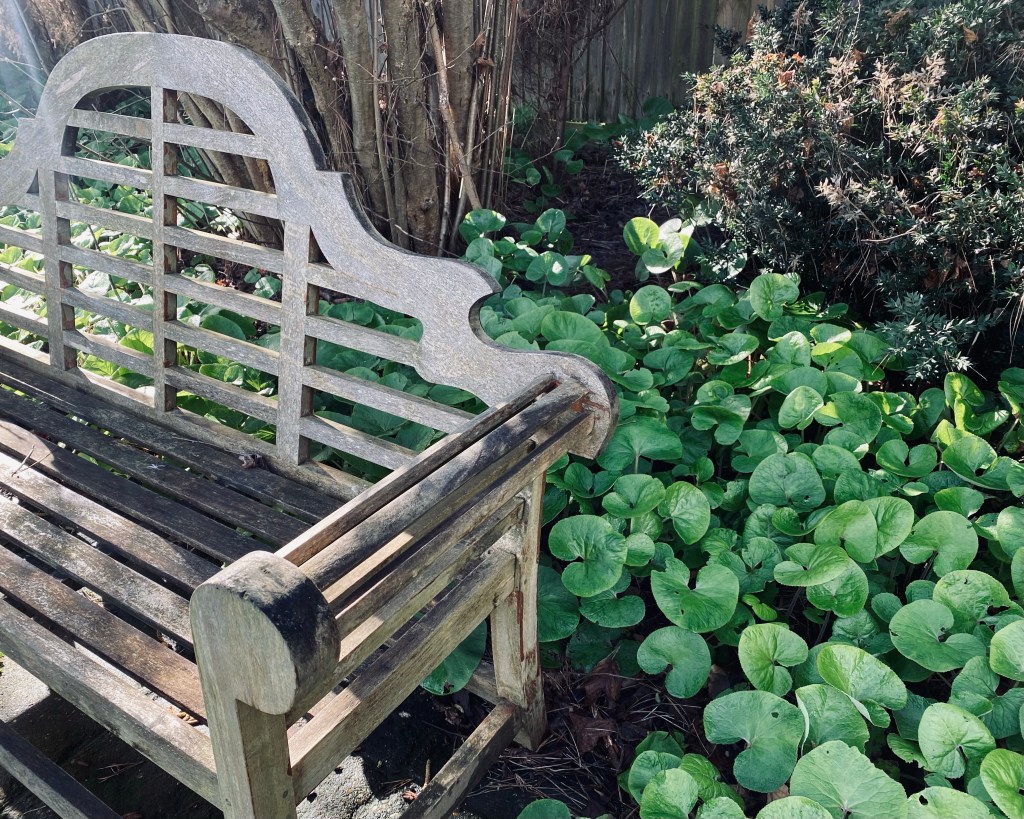
Now officially called Petasites fragrans and seen here established under the canopy of Hazels and in the company of the ubiquitous Lutyens bench. Makes a good job of occupying shady ground and pretty much looks after itself.
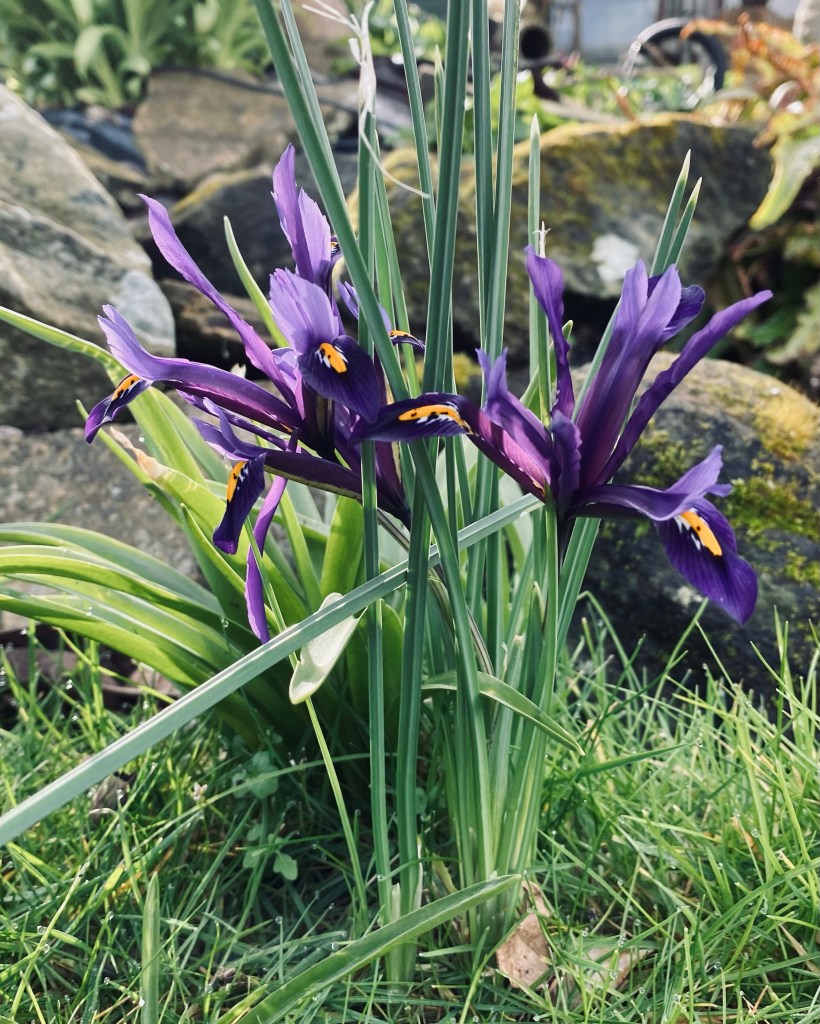
Intriguing and somewhat complex flowers, as I suppose you would expect from an iris, this variety unknown although possibly ‘Edward’. Happy in grass and in sharing ground with other spring bulbs as seen here. A delightfully diminutive display.

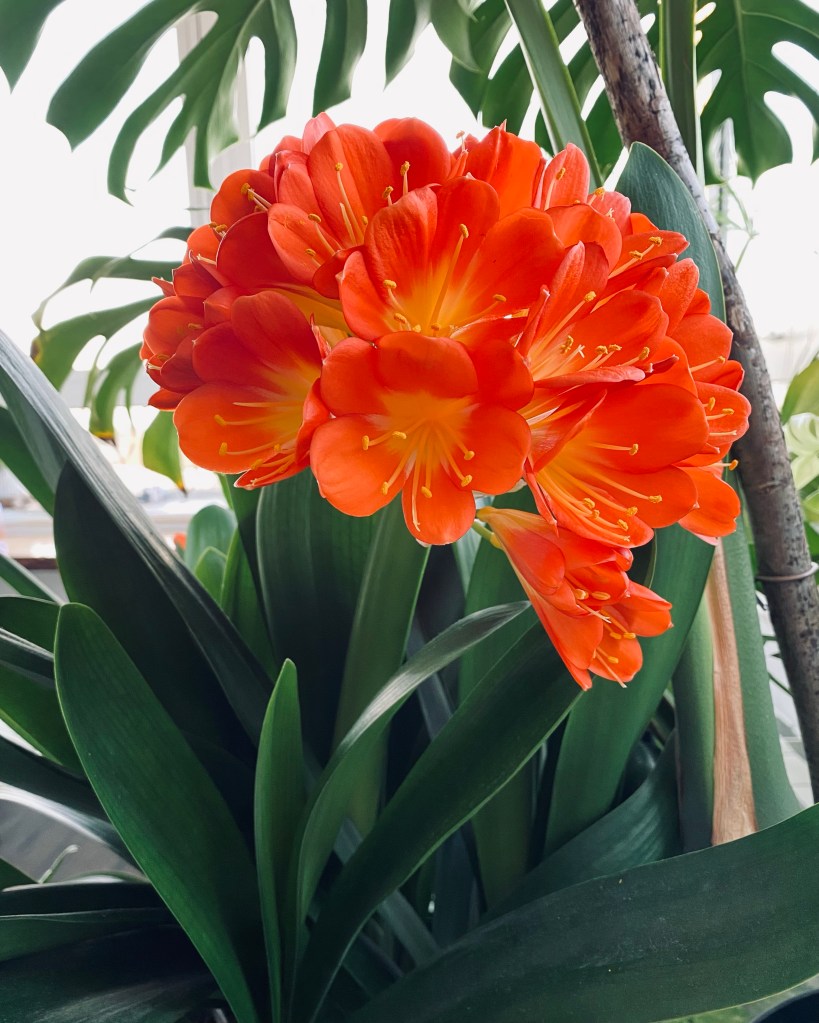
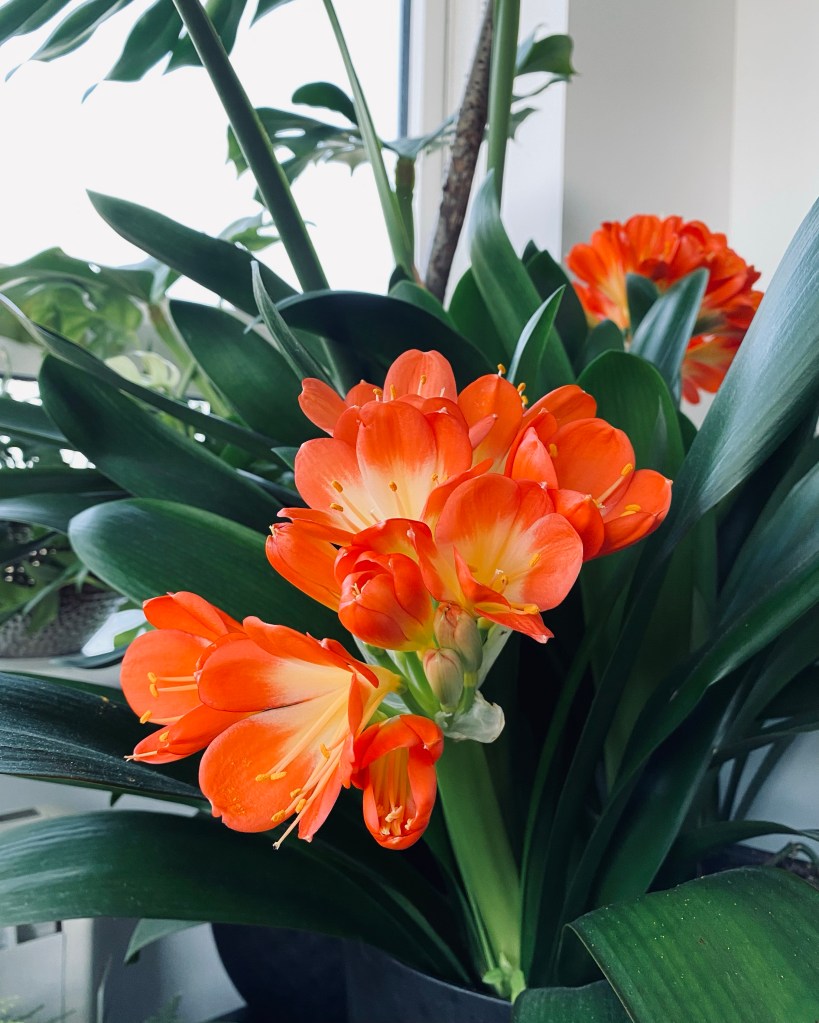
South African and extremely robust with excellent dark green strap like leaves and, once established, flower clusters on long stems from March onwards. Undemanding with a touch of the exotic.
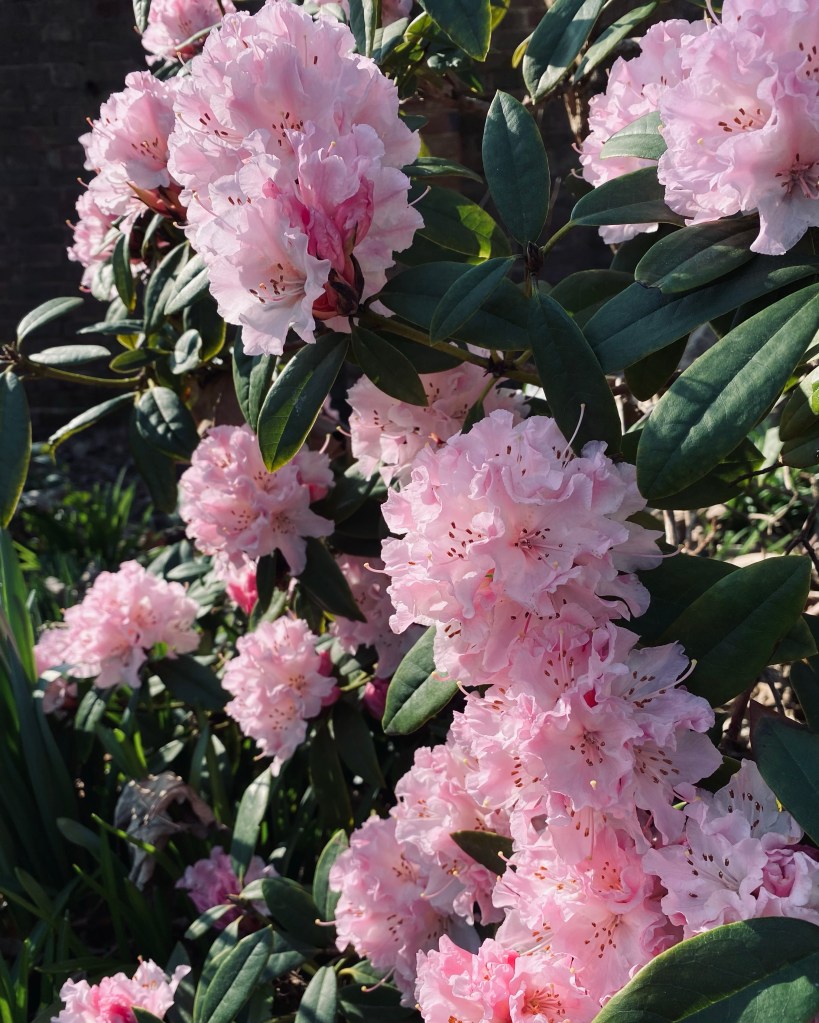
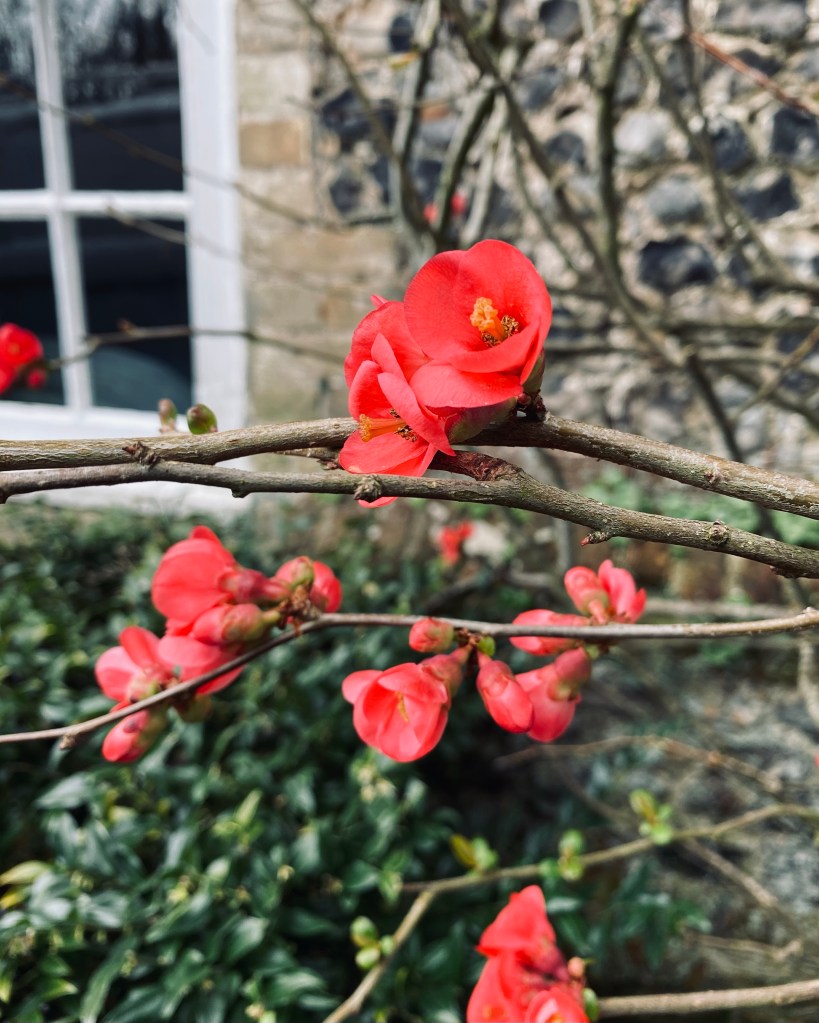
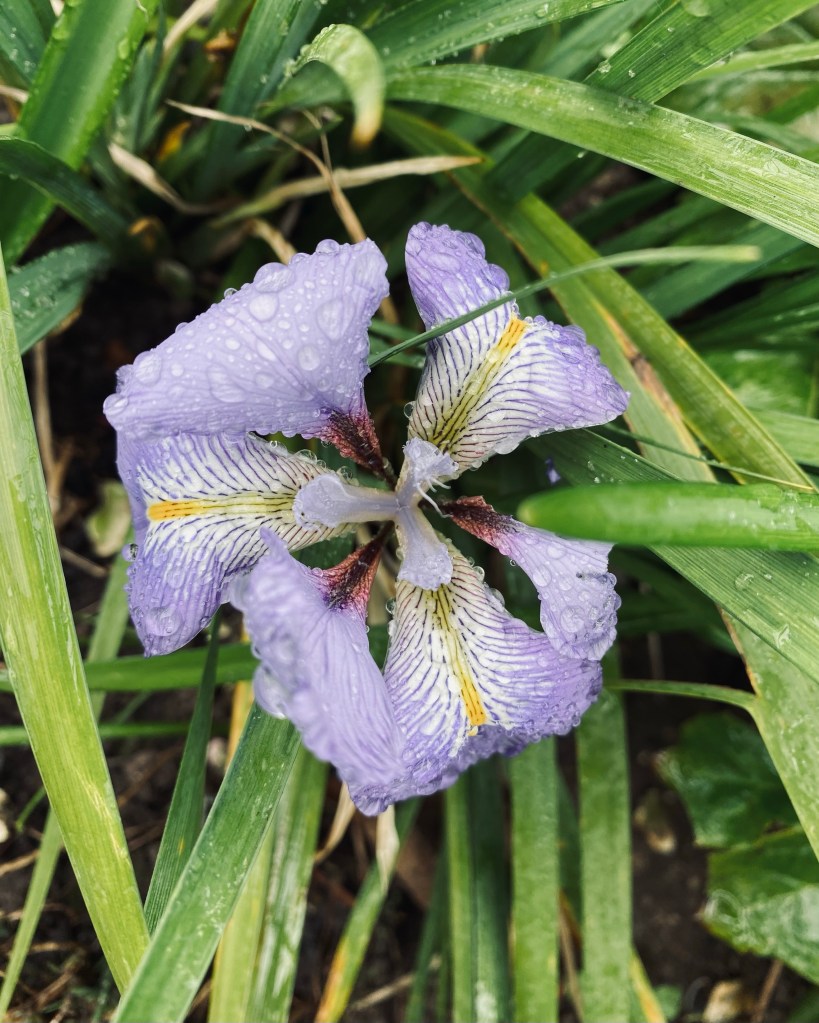
Rhododendron ‘Christmas Cheer’ so called as they used to force it into flowering for Christmas, followed by Chaenomeles japonica the Japanese quince sporting red pink flowers on bare stems and lastly winter flowering iris Iris stylosa, a plant that has virtually no merit until it starts to flower in late winter and the reason you give it space comes back to you.
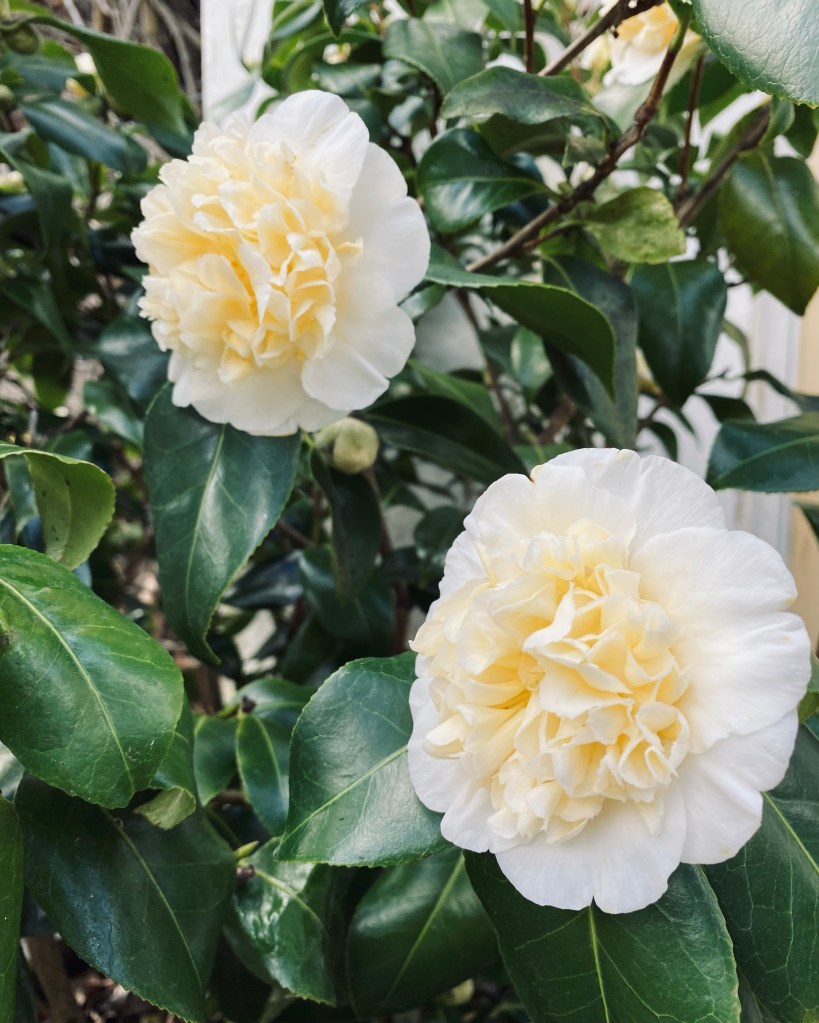
A superb double flower of white outer petals and primrose yellow centres. Here in the second week of March, the flowers last several days before the petals are scattered around the base of the plant. As with most camellias thick evergreen foliage and a slightly gangly shrubby habit. This specimen happy as a pot plant.

 Tend&Grow